

Ten Years After the Referendum: Why Support for EU Membership Is Growing Again in Britain
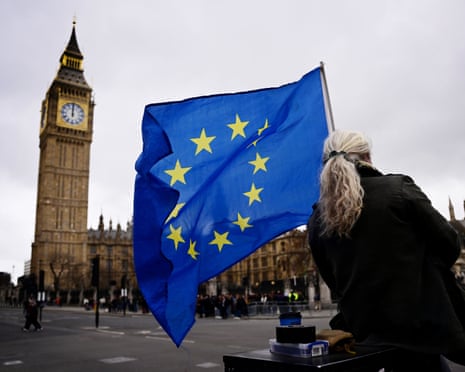
Ten years after the United Kingdom voted to leave the European Union, the debate over Britain’s relationship with Europe remains one of the most important political questions facing the country. The 2016 referendum was a historic moment that divided the nation and transformed British politics. The decision to leave the EU was celebrated by supporters as a victory for independence and democratic control, while opponents warned that it could create economic and political difficulties. A decade later, growing support for EU membership suggests that public attitudes towards Brexit have changed significantly, with more people questioning whether leaving the European Union delivered the benefits that were promised.
The rise in support for EU membership does not necessarily mean that all Brexit opponents now want an immediate return to the European Union. The debate has become more complicated, with many people supporting closer cooperation with Europe while recognising the political challenges of reversing Brexit. Nevertheless, the increase in pro-European sentiment shows that Britain’s relationship with the EU remains unresolved and continues to influence national politics.
The 2016 referendum was fought around powerful ideas about sovereignty, identity, and economic opportunity. Those who supported leaving the EU argued that Britain should regain control over its laws, borders, and trade policies. The slogan “Take Back Control” became one of the most memorable messages of the campaign, appealing to voters who felt that decisions affecting their lives were being made by distant European institutions rather than by the British government.
For many Leave supporters, Brexit represented a desire for national independence. They believed that Britain had the ability to succeed outside the EU and create new opportunities through global trade agreements. They argued that leaving would allow the country to develop policies better suited to its own interests without being restricted by European rules.
However, supporters of remaining in the EU warned that membership provided important economic and political advantages. They argued that access to the European single market, cooperation with European countries, and freedom of movement created opportunities for businesses, workers, students, and communities. They believed that leaving the EU would create unnecessary barriers and reduce Britain’s influence on the world stage.
Ten years later, many of the arguments made by Remain supporters have gained renewed attention. One of the main reasons for growing support for EU membership is dissatisfaction with the economic consequences of Brexit. Critics argue that leaving the EU has increased trade difficulties, reduced investment, and created additional bureaucracy for businesses. They believe that the costs of Brexit have become clearer over time and that many promises made during the referendum campaign have not been fulfilled.
Small businesses, in particular, have often raised concerns about the challenges of trading with European countries after Brexit. New customs procedures and regulatory requirements have made some forms of trade more complicated. Supporters of closer EU relations argue that restoring stronger links with Europe would help businesses and improve economic performance.
However, Brexit supporters argue that economic problems cannot be blamed entirely on leaving the EU. They point to global challenges such as the COVID-19 pandemic, inflation, energy price increases, and international economic uncertainty. They argue that Britain still has opportunities to develop new markets and that independence allows the country to make decisions more quickly.
The debate over Brexit is therefore not only about economic statistics but also about competing visions of Britain’s future. Those who support closer ties with Europe often emphasise cooperation and shared influence, while Brexit supporters emphasise independence and national control.
Another reason for growing support for EU membership is changing attitudes among younger generations. Many younger voters were strongly supportive of remaining in the EU during the 2016 referendum. They often viewed European membership as providing opportunities for travel, education, employment, and cultural exchange. For some young people, Brexit represented the loss of opportunities that previous generations had enjoyed.
Supporters of Brexit argue that younger generations can benefit from a more independent Britain and that opportunities do not have to depend on EU membership. They believe the country can build new partnerships around the world and create a different economic future.
Public opinion has also changed because many voters who supported Brexit in 2016 have become less enthusiastic about it. Some people who voted Leave have said that they expected different outcomes or believe that the political debate around Brexit has not delivered enough practical improvements. This does not necessarily mean they want to rejoin the EU, but it has contributed to a more critical view of Brexit.
The political consequences of changing attitudes are significant. For years after the referendum, many politicians avoided discussing the possibility of closer relations with the EU because Brexit remained a sensitive issue. However, as public opinion has shifted, some politicians and campaigners have become more willing to discuss alternatives, including closer cooperation or eventual membership.
The debate also reflects a wider question about Britain’s role in the modern world. In an era of global challenges such as climate change, international security threats, and economic competition, supporters of European integration argue that cooperation between countries is essential. They believe that working with European neighbours gives Britain greater influence than acting alone.
Opponents argue that Britain can cooperate internationally without being part of the EU. They believe that national governments should maintain the ability to make their own decisions and that membership of international organisations should not come at the cost of democratic independence.
The question of sovereignty remains at the heart of the debate. For Brexit supporters, sovereignty means having full control over national decisions. For many pro-European supporters, sovereignty in the modern world means having the ability to influence international decisions through cooperation. These different interpretations explain why the Brexit debate has remained so difficult to resolve.
The growing support for EU membership also demonstrates that political opinions can change over time. Major national decisions are rarely permanent in public opinion. As people experience the consequences of political choices, their views may evolve. The first decade after the referendum has provided voters with new information and experiences that have influenced how they judge Brexit.
However, returning to the EU would be politically and practically complicated. The UK would need to negotiate with European partners, and the terms of any future relationship would be uncertain. Some European countries might expect different conditions from those Britain previously enjoyed. A return to membership would also require significant public and political support.
For this reason, many supporters of closer European ties argue that the immediate goal should not necessarily be full membership but rebuilding trust and cooperation with European countries. They believe that gradual improvements in relations could eventually lead to a closer partnership in the future.
In conclusion, ten years after the referendum, growing support for EU membership reflects changing attitudes towards Brexit and Britain’s place in Europe. Many people believe that the economic and political costs of leaving have become clearer, while others continue to defend Brexit as an important step towards independence. The debate remains deeply connected to questions about identity, sovereignty, and national ambition.
The future relationship between Britain and the European Union is still uncertain. What is clear, however, is that Brexit has not ended the conversation about Europe. Instead, it has created a continuing debate about what kind of country Britain wants to be in the twenty-first century. Whether Britain eventually moves closer to the EU again or maintains its current path, the issue will remain a defining part of its political story for many years to come.