
Andy Burnham’s Support for Bev Craig Shows the Importance of Strong Local Leadership in Manchester’s Future
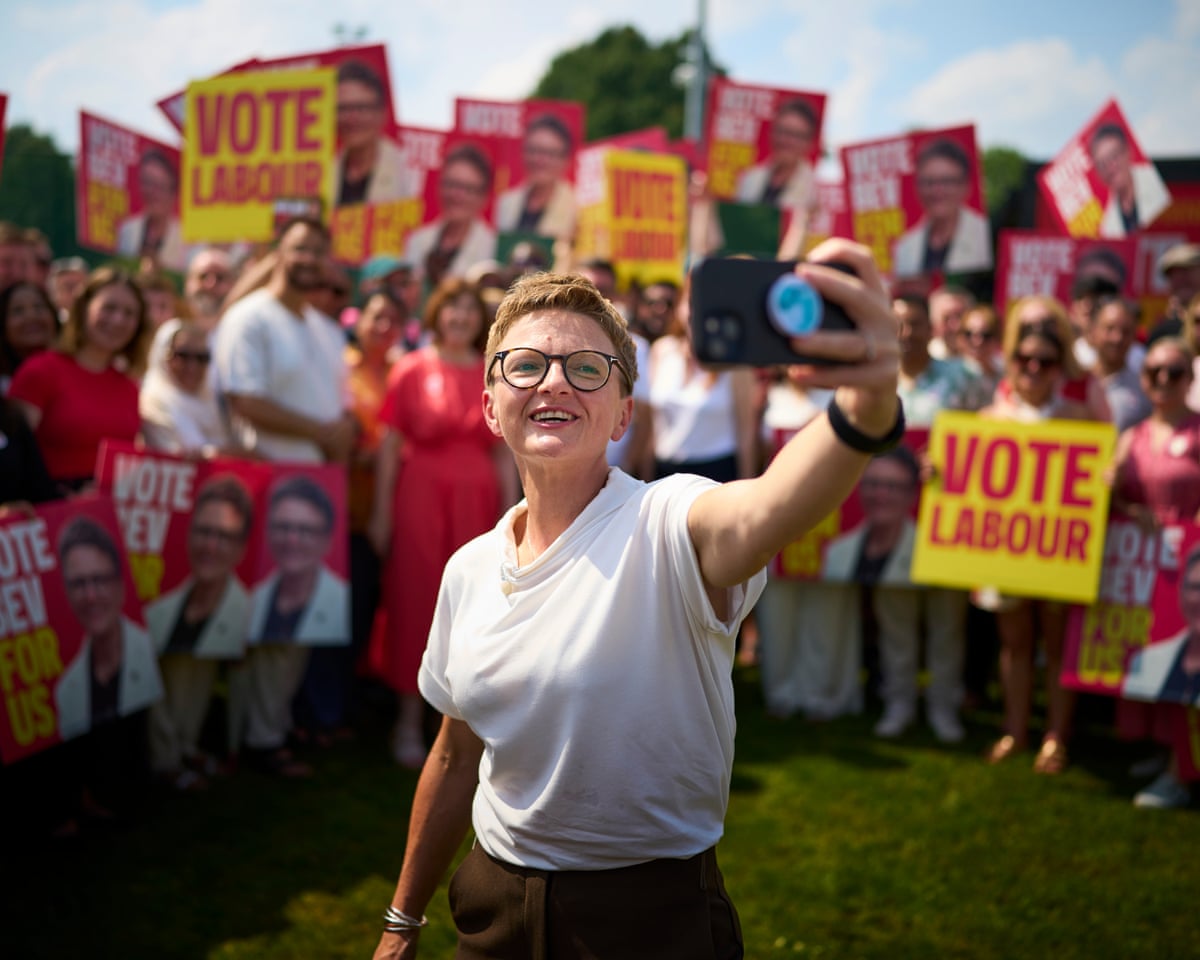
Andy Burnham’s decision to support Labour’s Manchester mayoral candidate Bev Craig highlights the continuing importance of local leadership in shaping the future of one of Britain’s most politically significant regions. By describing Craig as an “incredible” candidate, Burnham has expressed confidence in her ability to continue Labour’s approach to governing Manchester while bringing her own experience and ideas to the role. However, Craig’s potential leadership also raises broader questions about the future direction of Greater Manchester, the challenges facing local government, and whether established political traditions can continue to meet the expectations of modern communities.
The support of a high-profile figure such as Andy Burnham carries considerable political significance. As Mayor of Greater Manchester, Burnham has built a strong public reputation through his focus on regional inequality, public services, transport, and economic development. His leadership style has often emphasized local decision-making and the importance of giving communities greater control over their own future. By supporting Bev Craig, he is effectively suggesting that Labour’s vision for Manchester requires continuity as well as renewal.

One of Craig’s greatest strengths is her understanding of local government. Before becoming a mayoral candidate, she developed experience working within Manchester’s political system and gained knowledge of the challenges affecting residents. Local government experience can be valuable because many of the issues that directly influence people’s daily lives—including housing, social care, public transport, environmental policies, and community services—are managed at the local level. A leader who understands these practical challenges may be better positioned to create realistic policies rather than relying only on national political debates.
Manchester has undergone significant transformation over recent decades. Once known primarily as an industrial city facing economic decline, it has developed into a major centre for business, culture, education, technology, and innovation. However, this success has not benefited all communities equally. While some areas have experienced investment and regeneration, others continue to face challenges including poverty, unemployment, expensive housing, and unequal access to opportunities. The next mayor will therefore need to balance economic growth with social fairness.
This is one reason why Burnham’s endorsement of Craig is significant. His political identity has been closely associated with reducing regional inequalities and ensuring that economic development benefits ordinary residents. Craig’s challenge will be to demonstrate that she can continue this agenda while responding to new issues. Maintaining Manchester’s economic success will require attracting investment, supporting businesses, and creating skilled employment opportunities. At the same time, ensuring that local people can afford housing and benefit from growth will be equally important.
Housing is likely to be one of the biggest challenges facing Manchester’s future leadership. Like many successful cities, Manchester has experienced rising demand for housing, leading to increasing property prices and rental costs. Economic growth can create jobs and opportunities, but if housing becomes unaffordable, many residents may feel excluded from the benefits of regeneration. A successful mayoral administration must therefore encourage new housing development while ensuring that affordable homes remain a central priority.
Transport is another key issue. Greater Manchester has ambitious plans to improve public transport connectivity, reduce congestion, and support environmental goals. However, delivering major transport improvements requires significant investment, effective planning, and cooperation between different local authorities. Residents often judge political leaders not by broad promises but by practical experiences such as journey times, reliability, and affordability. Craig will need to show that she can turn long-term plans into visible improvements in people’s everyday lives.
Social care and public services represent another major test. Local authorities across Britain face financial pressures due to rising demand and limited resources. Older populations, increased healthcare needs, and the cost of supporting vulnerable residents place significant strain on budgets. A future mayor must work effectively with councils, health services, charities, and communities to ensure that essential support remains available. Leadership in this area requires not only political ambition but also careful financial management.
Despite these challenges, Craig’s supporters argue that her background gives her a strong understanding of community issues. Modern voters increasingly expect politicians to be accessible, responsive, and connected to everyday concerns. National political debates can sometimes feel distant from local realities, whereas mayors have the opportunity to demonstrate direct impact. By focusing on practical improvements rather than ideological arguments, local leaders can build stronger relationships with residents.
However, Burnham’s endorsement does not guarantee electoral success. While his popularity provides Craig with valuable support, she must establish her own identity as a leader. Voters may appreciate continuity, but they may also demand new ideas and different approaches. Any candidate associated with an existing political administration faces the challenge of defending previous achievements while explaining how they will address unresolved problems.
Another challenge is maintaining public confidence in local government. Across Britain, many citizens have become frustrated with political promises that do not translate into noticeable improvements. Issues such as housing shortages, transport delays, and pressure on public services cannot be solved quickly. Craig will need to communicate honestly about difficulties while presenting realistic solutions. Managing expectations may be just as important as announcing ambitious policies.
There is also a broader debate about the role of mayors in Britain’s political system. Devolution has given regional leaders more responsibility and visibility, but it has also created greater expectations. Mayors are often expected to solve problems that extend beyond their formal powers, including national economic conditions, housing markets, and public service pressures. Effective leadership therefore requires cooperation with central government rather than simply criticism of national policies.
The relationship between Manchester and Westminster has historically been an important political issue. Burnham gained public attention partly because he frequently argued that local communities should receive greater recognition and resources from central government. Craig will need to maintain strong relationships with national institutions while continuing to represent regional interests. This balance between cooperation and advocacy is one of the most difficult responsibilities of modern mayors.
Supporters of Bev Craig believe that her leadership could represent a new stage in Manchester’s development. The city no longer faces only the challenges of industrial decline; it must now manage the pressures that come with economic success. Issues such as technological change, climate adaptation, inequality, and population growth require modern solutions. A new generation of local leaders may bring fresh perspectives while continuing the progress made by previous administrations.
Nevertheless, political leadership should ultimately be judged by results rather than endorsements or public statements. The real measure of Craig’s success would be whether residents experience improvements in their daily lives. Affordable housing, reliable transport, better public services, economic opportunities, and stronger communities are the outcomes that matter most. Political support can provide a foundation, but effective governance requires consistent action.
In conclusion, Andy Burnham’s backing of Bev Craig represents a significant moment for Labour’s future in Manchester and reflects confidence in the continuation of a locally focused political approach. Craig brings valuable experience and faces important opportunities to shape the region’s next chapter. However, her success will depend on her ability to address major challenges including inequality, housing affordability, transport, public services, and public trust. Strong local leadership requires more than political support; it requires practical solutions, accountability, and a commitment to ensuring that Manchester’s future prosperity benefits all of its communities.