
Andy Burnham’s Potential Cabinet Plans Spark Debate Over Experience Versus Change
Speculation that Andy Burnham is considering his future cabinet has triggered a fresh debate about what a government led by him might look like. Critics have warned that bringing back familiar Labour figures could represent a return to old politics, while supporters argue that experienced politicians can provide the knowledge needed to tackle Britain’s challenges.
Every potential leader faces questions about who they would choose to help deliver their vision. A cabinet is not only a collection of individuals; it is a signal of political priorities and the direction a government intends to take. The people selected for key roles can influence how voters, businesses, and institutions view a new administration.
Those critical of Burnham’s possible choices argue that relying on well-known Labour figures could suggest the party is looking backwards rather than forwards. They claim voters want fresh ideas and new approaches rather than a return to personalities associated with previous political battles.
However, supporters take a different view. They argue that government requires experience, especially during difficult economic and social conditions. Familiar figures with knowledge of Whitehall and public policy may be better prepared to make decisions quickly and effectively.
Burnham’s political identity has often focused on communities outside Westminster, regional investment, and improving public services. A cabinet built around these priorities could potentially place greater emphasis on local government, infrastructure, healthcare, and reducing inequality.
The choice of ministers would also reveal how Burnham balances different parts of Labour’s tradition. The party has always contained debates between those who favour greater state involvement and those who prefer a more cautious approach focused on economic credibility.
Critics may worry that certain appointments could revive divisions within Labour and reopen arguments from previous years. They could argue that a future government needs to focus on unity and practical delivery rather than internal ideological disputes.
Supporters would respond that successful governments often include people with different experiences and that political opponents frequently use criticism of appointments to attack a leader before their policies can be judged.
Ultimately, the question is not only who returns to government but what they are expected to achieve. A cabinet should be judged by its ability to solve problems, improve public services, and deliver for voters rather than simply by the names involved.
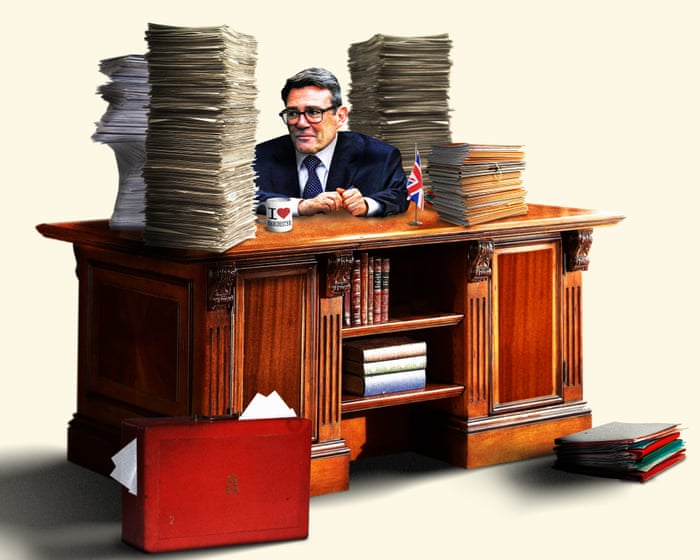
If Andy Burnham were ever to lead Labour nationally, his biggest challenge would be proving that his team represents more than a return to the past. He would need to show that experienced politicians can combine with new ideas to create a government capable of meeting modern challenges.
The debate over his potential cabinet reflects a wider question facing Labour: whether the party’s future depends on renewing itself completely or using experience to build a different path forward.
Andy Burnham’s Potential Cabinet Sparks Debate Over Whether Labour Is Looking Forward or Back
Speculation about Andy Burnham’s potential cabinet has triggered a wider debate about the future direction of Labour. While critics describe the possible return of familiar figures as a step backwards, supporters argue that experienced politicians could provide the stability and knowledge needed during a challenging period for Britain.
Every new political leader faces questions about the team they would choose to deliver their agenda. Cabinet appointments are often seen as a statement of priorities, showing voters what issues a government considers most important and what type of leadership style it intends to follow.
Opponents of Burnham’s potential approach argue that bringing back established Labour figures could represent a return to old divisions. They claim that voters are looking for new ideas and a fresh political direction rather than a revival of past battles.
However, supporters argue that experience should not automatically be viewed negatively. Running a government requires detailed knowledge of public services, economic policy, and international affairs. They believe that politicians with previous experience can help avoid mistakes and provide stronger decision-making.
Burnham’s political appeal has often been based on his connection with communities outside Westminster. A cabinet influenced by his priorities could place greater emphasis on local investment, improving public services, and reducing the gap between different regions of the country.
The debate also highlights a wider question for Labour: should it focus on maintaining the cautious approach that helped it gain electoral support, or should it pursue a more ambitious programme of change? Different parts of the party have different answers to this question.
Critics fear that a government influenced by older Labour traditions could increase public spending or create uncertainty over economic policy. They argue that financial responsibility must remain at the centre of any future administration.
Supporters respond that caution alone may not be enough to address Britain’s long-term problems. They argue that voters want meaningful improvements in areas such as healthcare, housing, transport, and regional opportunity, and that government must be willing to take stronger action.
The discussion around possible cabinet choices also shows how quickly political speculation can shape public perception. Before any policies are announced, debates about personalities and appointments can influence how voters view a potential leader.
For Burnham, the challenge would be proving that his team represents more than a return to the past. He would need to demonstrate that experienced figures can work alongside new voices and that his approach is designed for the challenges of modern Britain.
Ultimately, the question is not simply who sits around the cabinet table. The real test would be whether those individuals can deliver improvements that voters can see and feel in their everyday lives.
The debate over Burnham’s possible cabinet reflects a larger struggle within Labour: whether the party’s future should be built on continuity and experience, or on a complete break with the past. The answer will depend on which approach voters believe can deliver the strongest future for the country.