
Andy Burnham Considering Ed Miliband for Chancellor Raises Questions Over Labour’s Economic Direction
The possibility that Andy Burnham could consider Ed Miliband for the role of Chancellor has sparked debate over what direction Labour’s economic strategy would take under a different political arrangement. While supporters may see Miliband as an experienced politician with strong views on social justice and climate investment, critics argue that such a move would raise concerns about economic credibility.
Ed Miliband remains one of Labour’s most recognisable figures. As former party leader and a long-serving politician, he has built a reputation around issues such as reducing inequality, tackling climate change, and increasing the role of government in shaping the economy. His supporters argue that these priorities are increasingly important as Britain faces challenges involving energy costs, regional inequality, and the transition to a greener economy.
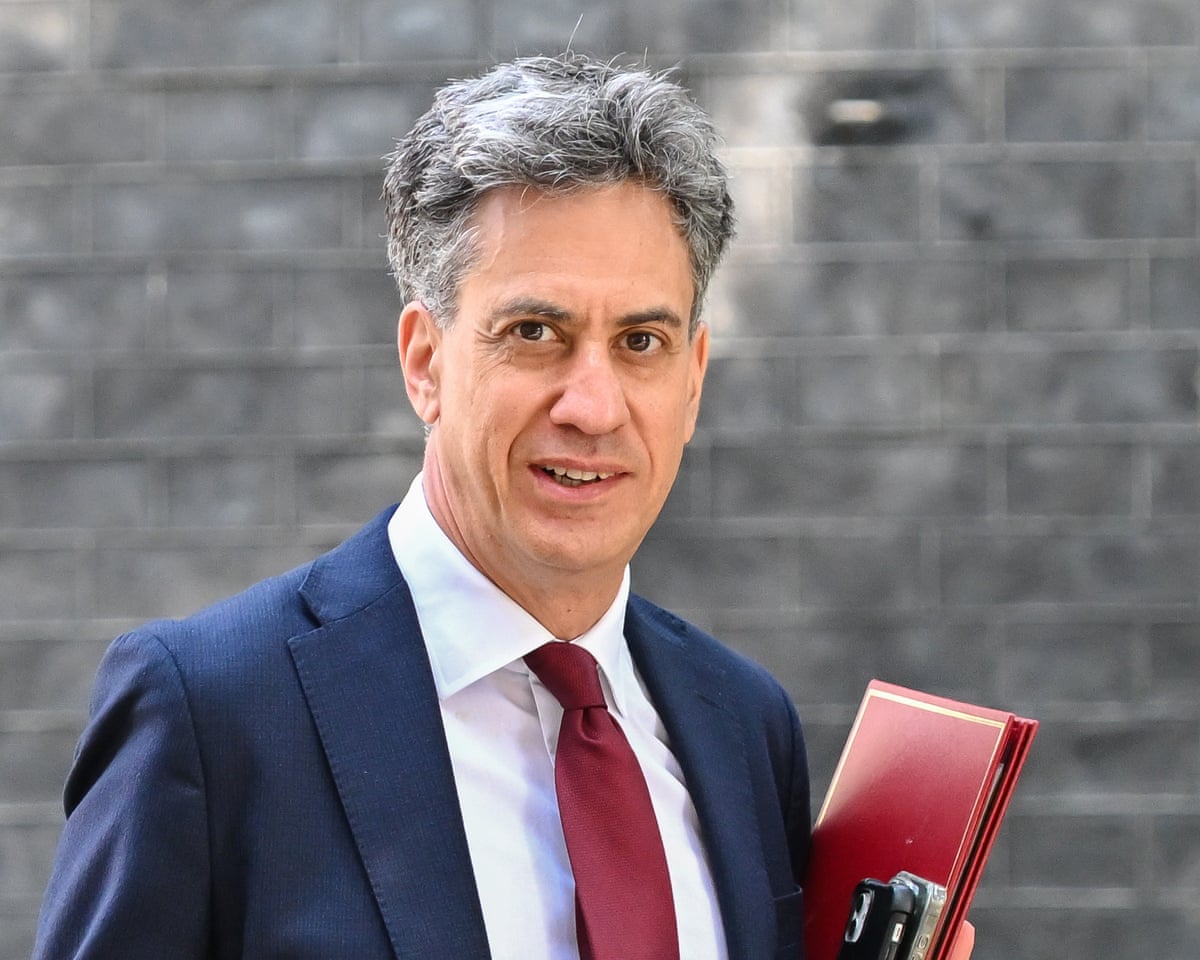
For Andy Burnham, a politician who has consistently focused on regional development and investment outside London, Miliband’s approach could appear attractive. Both politicians have often argued that government has a major role to play in supporting communities, improving infrastructure, and addressing economic imbalances between different parts of the country.
However, critics would question whether Miliband represents the kind of economic approach needed during a period of financial pressure. Some opponents point to his previous leadership of Labour as evidence that voters remain cautious about policies involving higher public spending, increased regulation, or a larger state role in the economy.
The position of Chancellor is one of the most challenging roles in British politics. It requires not only political ambition but also the confidence of businesses, investors, and financial markets. Any candidate must convince voters that they can support public services while maintaining economic stability.
A potential Burnham-Miliband partnership would therefore represent a clear ideological choice. It could signal a Labour government more focused on public investment, redistribution, and long-term structural change. Supporters would argue that this approach could address problems that have been ignored for too long. Critics, however, might warn that ambitious spending plans must be matched by realistic funding strategies.
The debate also highlights a wider question about Labour’s identity. Should the party prioritise economic caution and reassure the business community, or should it pursue a more interventionist approach aimed at reshaping society and reducing inequality? Different factions within Labour have offered different answers to that question.
For Burnham, choosing a Chancellor would be one of the most important decisions of any leadership role. The appointment would not only determine economic policy but also define the government’s wider political message. A figure such as Miliband would immediately signal a particular set of priorities and could influence how voters, businesses, and international partners view the government.
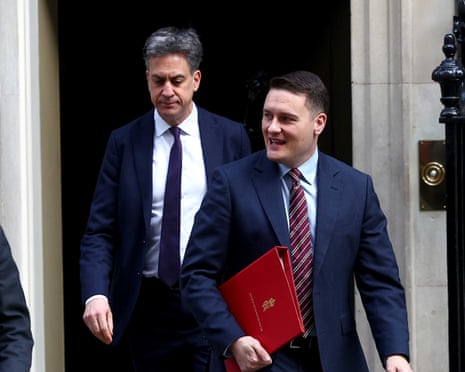
Ultimately, speculation over Ed Miliband becoming Chancellor reflects a larger debate about Britain’s economic future. Whether voters would welcome a more interventionist Labour approach or demand greater fiscal caution remains uncertain. What is clear is that any future Labour leadership team would face intense pressure to balance ambition with economic responsibility.

Why Choosing Ed Miliband Could Strengthen Andy Burnham’s Political Vision
The possibility of Andy Burnham considering Ed Miliband for the role of Chancellor has attracted criticism from some opponents, but it could also represent a clear attempt to define a different economic direction for Labour. Rather than viewing the choice as a return to old politics, supporters may see it as a move towards a more ambitious approach to Britain’s economic challenges.
Miliband brings significant political experience and a long-standing focus on issues such as inequality, energy security, and climate change. While his time as Labour leader remains debated, he has continued to develop a reputation as a politician focused on long-term structural problems rather than short-term political victories.
For Burnham, whose political identity has been closely linked with reducing regional inequality, Miliband could represent a natural partner. Both have argued that Britain’s economic model has not delivered equal opportunities across the country, particularly for communities outside London and the South East.
A Chancellor working closely with Burnham could potentially prioritise investment in infrastructure, green industries, public services, and regional development. Supporters would argue that these areas are essential for increasing productivity and creating sustainable economic growth rather than simply increasing government spending.
Critics, however, may question whether Miliband’s economic approach would reassure businesses and financial markets. They may argue that Labour needs a stronger focus on fiscal discipline and private sector confidence, especially during a period when the country faces economic uncertainty.
Yet supporters of Miliband’s approach would respond that economic credibility should not be measured only by spending restraint. They argue that failing to invest in infrastructure, skills, and clean energy could create greater costs in the future. In this view, carefully targeted public investment can help unlock private investment and strengthen the economy.
The potential appointment would also send a powerful political message. Selecting Miliband would suggest that a Burnham-led Labour approach is willing to challenge traditional economic assumptions and place greater emphasis on social fairness. It would show voters that Labour intends to address deeper issues such as regional inequality and the transition to a low-carbon economy.
However, the success of such a strategy would depend on delivery. Ambitious economic plans require strong financial management, clear priorities, and convincing explanations about how policies will be funded. Without those elements, opponents would argue that Labour is making expensive promises without sufficient guarantees.
Ultimately, the discussion surrounding Ed Miliband as a possible Chancellor is about more than one individual. It represents a wider debate over what Britain’s economy should look like in the future. Should the priority be caution and gradual change, or should government take a more active role in reshaping the economy?
For Andy Burnham, the choice of economic team would define his political identity. Choosing Miliband would signal confidence in a more interventionist model focused on investment and equality. Whether voters see that as a bold solution or a risky experiment would depend on whether the approach delivers real improvements in people’s lives.