


Brexit Voters’ Anger at Labour Reflects a Growing Battle for Trust
The frustration expressed by some Brexit voters towards Labour highlights one of the biggest political challenges facing the party: rebuilding trust among communities that feel ignored by Westminster. For many Leave supporters, the issue is not simply about Britain’s relationship with the European Union, but about whether politicians have listened to their concerns since the referendum.
Many Brexit voters believed that leaving the EU would bring greater control over national decisions, stronger support for local communities, and a political system more responsive to ordinary people. For these voters, the referendum was not only a debate about trade and regulations but also a protest against years of feeling disconnected from political institutions.
The anger directed at Labour comes from the belief among some Leave supporters that the party has failed to fully respect the outcome of the referendum. They argue that instead of defending the opportunities they associated with Brexit, Labour has focused too heavily on improving relations with Europe and has not done enough to address the issues that influenced the original vote.
However, Labour supporters argue that this criticism misunderstands the party’s position. They claim that seeking better cooperation with European countries does not mean reversing Brexit. In their view, the priority should be solving practical problems such as economic growth, investment, trade barriers, and public services rather than continuing political battles over the referendum.
The challenge for Labour is that Brexit opinions are closely connected to wider concerns about economic security and social change. Many Leave voters were motivated not only by European issues but also by feelings about wages, jobs, public services, and regional inequality. A political party that wants their support must address these everyday concerns rather than focusing only on constitutional debates.
Figures such as Andy Burnham represent part of this challenge. Burnham has built his reputation around representing communities outside Westminster and highlighting regional inequality. Supporters argue that his focus on local investment and public services could appeal to voters who feel left behind. Critics, however, question whether Labour can genuinely represent Brexit-supporting communities while maintaining closer ties with European partners.
The anger from some Brexit voters also reflects a broader problem in modern politics: expectations created during major political moments are difficult to fulfil. Brexit supporters were promised significant change, but economic and social improvements are influenced by many factors, including global events, domestic policy choices, and wider economic trends.
For Labour, winning back trust will require more than statements about Brexit. It will depend on whether voters see improvements in their daily lives, including better jobs, stronger public services, and greater opportunities in communities that have often felt overlooked.
Ultimately, the dispute between Brexit voters and Labour is not only about the past. It is about the future relationship between politicians and the public. Many voters want evidence that their voices are being heard and that political promises can translate into meaningful change.
The party that successfully addresses these concerns will be better positioned to shape Britain’s future. For Labour, the challenge is proving that it can respect different views on Brexit while offering practical solutions to the economic and social issues that continue to influence voters.
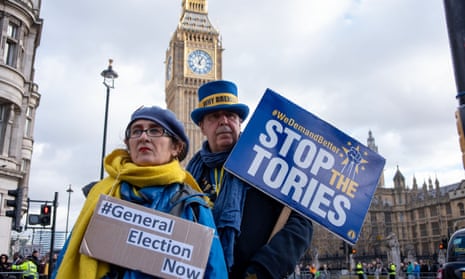
Brexit Voters’ Anger Shows a Crisis of Expectations, Not Just a Labour Problem
The growing frustration among some Brexit voters who feel that “no one fought their corner” reveals a deeper problem in British politics: the gap between political promises and public expectations. While Labour has become the target of much of the criticism, the anger reflects a wider disappointment with how the post-Brexit era has unfolded.
For many people who voted Leave, Brexit represented a chance for major change. It was seen as an opportunity to regain control over national decisions, support struggling communities, and create a political system that paid more attention to ordinary voters. Years later, some supporters feel that the transformation they expected has not happened quickly enough.
However, blaming Labour alone ignores the complexity of the situation. Since the referendum, Britain has faced a series of major challenges, including the pandemic, global economic pressures, rising energy costs, and inflation. These factors have affected living standards across the country and have made it difficult for any government to deliver rapid improvements.
Labour’s challenge is that it inherited a divided political landscape. Some Brexit voters want the party to demonstrate a clear commitment to leaving EU structures behind, while other voters and businesses want closer cooperation with European countries to reduce economic barriers. Trying to satisfy both groups is one of the most difficult balancing acts in modern British politics.
Critics argue that Labour has failed to understand the emotional importance of Brexit for many Leave voters. For them, the issue is not only about economic policy but also about identity, democracy, and whether politicians respect their choices. Any suggestion that Brexit should be softened or reconsidered can therefore feel like a rejection of their views.
Labour supporters, however, argue that the party’s focus should be on practical outcomes rather than symbolic battles. They believe voters are ultimately more concerned about wages, healthcare, housing, jobs, and public services than debates about Britain’s relationship with Europe.
The situation presents a particular challenge for politicians such as Andy Burnham, who have built their careers around representing communities outside Westminster. Burnham’s message of regional equality and giving more power to local areas could appeal to some former Brexit voters, but he must also convince them that Labour understands their concerns about sovereignty and political trust.
The wider lesson is that winning the support of Brexit voters requires more than simply discussing Brexit itself. Many Leave voters were expressing dissatisfaction with decades of economic and political decisions. They wanted change that would improve their everyday lives, not just a different relationship with European institutions.
Ultimately, the anger from some Brexit voters reflects a broader crisis of confidence in politics. Many people feel that governments of different parties have made promises but failed to deliver meaningful change. Rebuilding trust will require politicians to show results rather than simply offer new arguments.
For Labour, the challenge is clear: it must prove that it can represent people with different views while delivering practical improvements. For Brexit voters, the question is whether future governments can turn the promises of political change into real benefits for communities across Britain.