


Andy Burnham’s Labour Tax Proposal Could Reignite Britain’s Tax Debate
The suggestion that Andy Burnham’s wing of Labour is considering a major new tax proposal has reignited one of the oldest arguments in British politics: how much taxation is too much? While supporters argue that higher taxes on wealth are necessary to fund better public services, critics believe such policies could damage economic growth, discourage investment, and drive wealth out of the United Kingdom.
Burnham has long positioned himself as an advocate for greater regional investment and stronger public services. Throughout his time as Mayor of Greater Manchester, he has repeatedly argued that local communities deserve better transport, healthcare, and housing. Delivering these ambitions, however, requires substantial public funding. For that reason, proposals for new or higher taxes are perhaps unsurprising.
What has attracted particular attention is the suggestion that these ideas could go further than the approach adopted by Chancellor Rachel Reeves. Reeves has generally sought to present Labour as fiscally responsible, emphasizing economic stability and reassuring businesses that her government will avoid dramatic tax increases unless absolutely necessary. Her strategy has been to balance investment in public services with maintaining confidence among investors and financial markets.
By contrast, a more ambitious tax proposal associated with Burnham’s political allies could signal a different philosophy. Rather than prioritizing fiscal caution, it would place greater emphasis on redistributing wealth and expanding the role of the state. Supporters argue that this approach is justified after years of pressure on local councils, hospitals, schools, and transport systems.
However, opponents warn that significantly higher taxes often carry unintended consequences. Wealthy individuals and businesses may relocate investment to countries with more competitive tax systems. Entrepreneurs may delay expansion, while international companies could reconsider where they choose to invest. At a time when Britain is seeking stronger economic growth, critics argue that policies perceived as anti-business could weaken the country’s competitiveness.
There is also a political dimension. Labour has spent years trying to convince moderate and business-minded voters that it can be trusted to manage the economy responsibly. A tax agenda seen as substantially more aggressive than the government’s current position could revive long-standing Conservative arguments that Labour is instinctively inclined toward higher taxation and greater government spending.
Nevertheless, supporters of Burnham’s approach reject this criticism. They argue that Britain cannot solve persistent problems in healthcare, infrastructure, and regional inequality without asking those with the broadest shoulders to contribute more. In their view, investment in public services should be regarded as an investment in long-term economic productivity rather than simply a cost to taxpayers.
Ultimately, the debate is about more than one tax proposal. It reflects two competing visions of Britain’s economic future. One prioritizes lower taxes to encourage investment and economic expansion, while the other argues that stronger public services and reduced inequality require a greater contribution from higher earners and wealth holders.
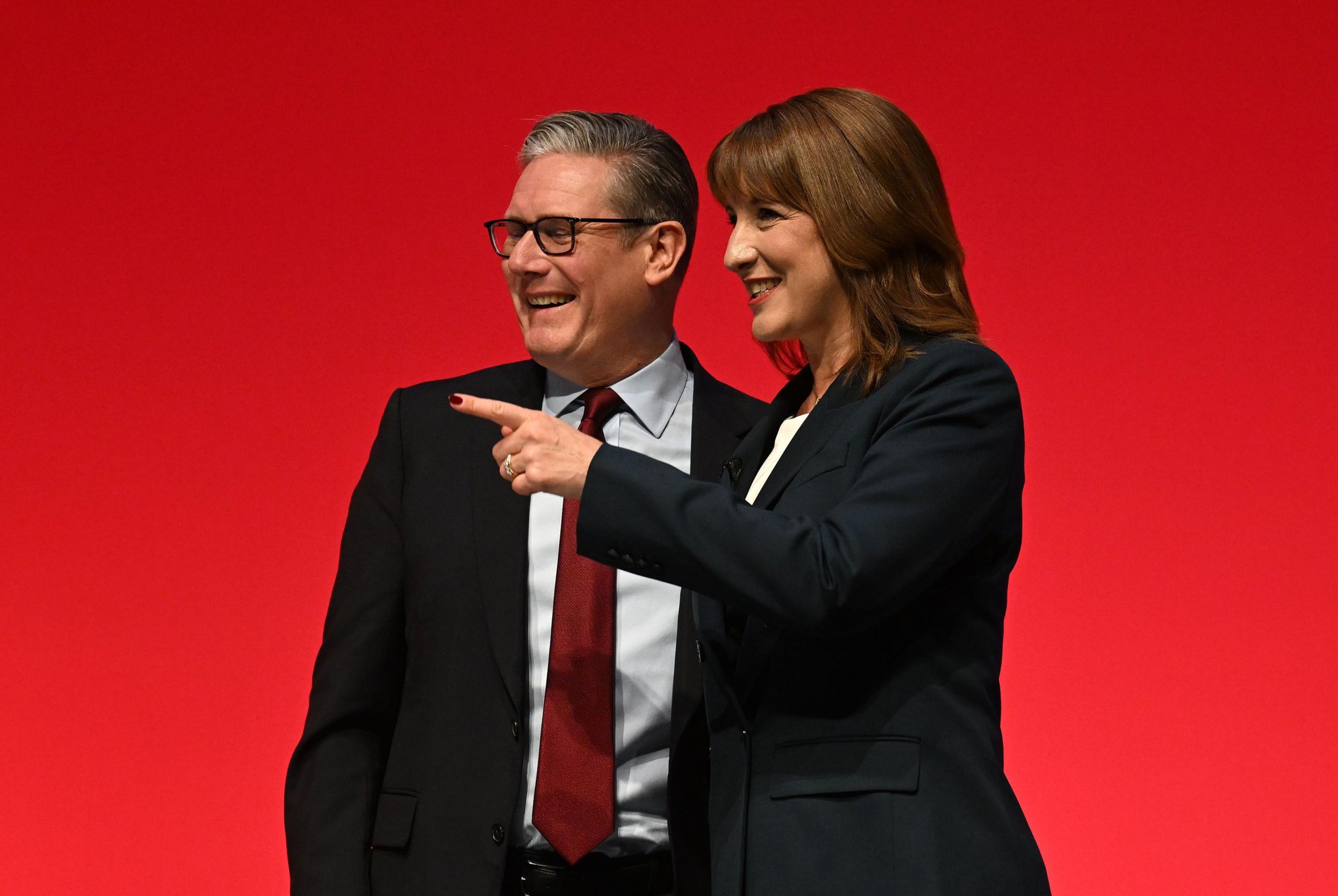
Whether Burnham’s ideas gain wider support within Labour remains uncertain. Any future proposal would likely face intense scrutiny from economists, businesses, political opponents, and voters alike. The challenge for Labour will be convincing the public that any increase in taxation would deliver measurable improvements in public services without undermining the economic growth needed to sustain them.
As Britain continues to face pressure on public finances, the question is unlikely to disappear. Instead, it may become one of the defining economic debates of the coming years, testing how far politicians are willing to go in balancing fairness, growth, and fiscal responsibility.
Why Andy Burnham’s Tax Proposal May Be More Pragmatic Than Critics Claim
The suggestion that Andy Burnham’s Labour movement is considering tax measures beyond those favoured by Chancellor Rachel Reeves has been described by some critics as a “huge tax grab.” However, that characterisation overlooks an important question: how should Britain pay for the public services that voters consistently demand?
For more than a decade, local councils, transport networks, hospitals, and police forces have faced increasing financial pressure. At the same time, the public continues to expect shorter NHS waiting lists, better schools, safer streets, and more reliable public transport. These ambitions require funding, and politicians of all parties must ultimately decide whether to reduce spending, increase borrowing, or raise taxes.
From this perspective, proposals associated with Andy Burnham can be seen as an attempt to confront fiscal reality rather than avoid it. Burnham has repeatedly argued that regional inequality cannot be solved through small-scale investment alone. Northern England, in particular, requires sustained funding for infrastructure, housing, skills, and economic development if it is to close the gap with London and the South East.
Rachel Reeves has generally pursued a more cautious fiscal strategy, seeking to reassure financial markets and businesses by limiting major tax increases. That approach may help maintain investor confidence, but critics argue that it also leaves limited room for significant improvements in public services without additional revenue.
Burnham’s supporters contend that asking higher earners or owners of substantial wealth to contribute more is a reasonable way to finance long-term investment. They argue that well-funded transport systems, healthcare, and education are not simply government expenses but productive investments that can strengthen the economy by improving workforce skills, reducing inequality, and increasing business productivity.
Naturally, higher taxation carries risks. Businesses may worry about reduced competitiveness, while investors may seek countries with lower tax burdens. These concerns deserve careful consideration, and any government proposing tax increases would need to ensure that Britain remains an attractive place to invest and create jobs.
Yet there is another side to the argument. International companies also value political stability, modern infrastructure, efficient transport, and a healthy, well-educated workforce. If additional tax revenue is used effectively to improve these areas, higher taxes do not necessarily undermine economic growth. In some cases, they may even support it over the long term.
The debate therefore should not focus solely on whether taxes rise or fall. Instead, voters are likely to ask a more practical question: what do they receive in return? If higher taxes lead to visibly better public services, stronger regional economies, and improved living standards, many people may regard them as worthwhile. If the additional revenue is poorly managed, however, public support could quickly disappear.
Ultimately, the discussion surrounding Burnham’s proposals reflects two legitimate but competing visions of economic policy. One prioritises keeping taxes low to encourage private investment, while the other argues that strategic public investment requires greater revenue from those most able to contribute. Rather than dismissing one side as reckless or the other as overly cautious, the debate should focus on evidence, affordability, and whether the proposed policies would genuinely improve the lives of British citizens.
As Britain continues to wrestle with slow economic growth and mounting demands on public services, difficult choices over taxation are likely to remain at the centre of political debate. The challenge for any government will not simply be deciding how much to tax, but demonstrating that every additional pound collected delivers measurable value for the public.