
The Farage GB News Row Is Really About the Changing Role of Political Media
Reports that Nigel Farage could be removed from his GB News show after comments from a Labour minister have sparked a heated debate. Supporters argue that such a move would represent an attempt to silence a prominent political voice, while critics believe the issue raises legitimate questions about the relationship between political influence and media platforms. However, another perspective is that the controversy reflects a much wider debate about the modern role of political broadcasting.
Nigel Farage is not simply a television presenter. He is also one of Britain’s most recognisable political figures, with a long history of campaigning and public debate. This combination of media presence and political influence creates a unique situation that raises questions about how broadcasters should handle figures who have both roles.
Supporters of Farage argue that audiences should be free to hear different political viewpoints. They believe removing him from television because of his opinions would reduce diversity of debate and prevent voters from making their own judgments.
However, critics argue that broadcasters also have responsibilities. They believe that presenters with strong political identities must be held to standards of accuracy, fairness, and accountability, particularly when they have access to a large audience and influence public discussions.
The debate also highlights how traditional boundaries between politics and media have changed. In the past, politicians and broadcasters often operated in separate worlds. Today, social media, television, and online platforms allow political figures to communicate directly with millions of people, making the relationship between politics and media far more complicated.
For Labour, calls for action against Farage could create political risks. Attempts to challenge a popular opposition figure can sometimes increase public attention and strengthen their support. At the same time, governments are under pressure to address concerns about misinformation and the quality of political debate.
For GB News, the controversy raises questions about the identity of modern news organisations. Broadcasters must balance audience demand, editorial independence, and public expectations about responsible journalism.
Ultimately, the debate is not only about Nigel Farage or one television programme. It is about how democracies should manage influential political voices in an era where media and politics are increasingly connected.
In conclusion, the controversy surrounding Farage’s GB News role reflects a much larger challenge facing modern society: finding the right balance between free expression, media responsibility, and political accountability.
The future of political broadcasting will depend on whether platforms can encourage open debate while maintaining standards that allow the public to trust the information they receive.
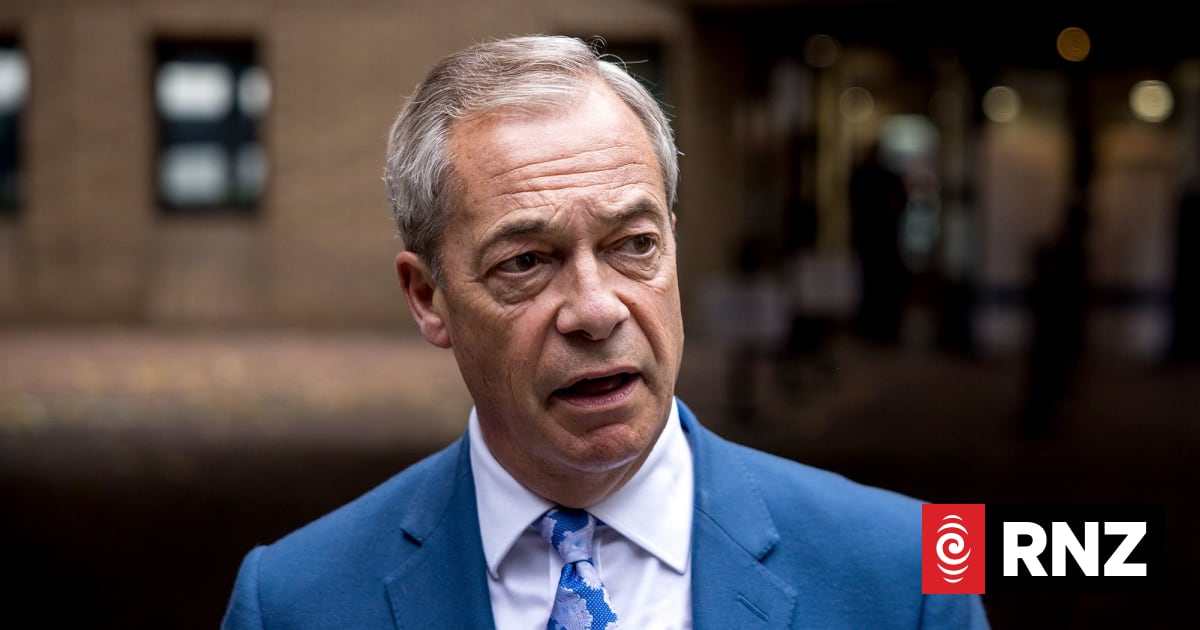
Farage’s GB News Controversy Shows His Growing Political Influence
The suggestion that Nigel Farage could be removed from his GB News programme has sparked a major political debate. Supporters argue that any attempt to restrict his platform would be unfair, while critics believe the issue reflects concerns about the role of political figures in the media. However, another perspective is that the controversy reveals something bigger: Farage has become one of the most influential figures in British politics, even beyond traditional political institutions.
Farage’s influence has never depended only on holding political office. Throughout his career, he has built a strong connection with voters through campaigning, public appearances, and media communication. His ability to attract attention and shape political conversations has made him a powerful figure in British public life.
For his supporters, the controversy surrounding his GB News role reinforces their belief that establishment figures are uncomfortable with his popularity. They argue that Farage has given a voice to voters who feel ignored by traditional parties and mainstream political debates.
However, another interpretation is that Farage’s media presence creates a challenge for political opponents because it allows him to influence public discussions outside the usual election cycle. His ability to combine political messaging with television exposure gives him a unique position compared with many other politicians.
This situation also presents a challenge for Labour and the Conservatives. Instead of focusing only on Farage himself, traditional parties must consider why his message has attracted support from many voters. Issues such as immigration, economic concerns, trust in government, and dissatisfaction with established politics have created opportunities for alternative voices.
At the same time, Farage’s influence brings greater expectations. A politician who gains significant public attention must demonstrate more than the ability to criticise opponents. Supporters may demand clear policies and practical solutions to the issues he highlights.
The debate around GB News also demonstrates how politics has changed. Television, online platforms, and social media now allow political figures to communicate directly with millions of people. Influence is no longer limited to elected positions or traditional party structures.
Ultimately, the controversy is not only about one television programme. It reflects a broader transformation in British politics, where figures outside the traditional system can have a major impact on public opinion.
In conclusion, the debate over Nigel Farage’s future on GB News highlights his continuing importance in British political life. Whether people support or oppose him, his ability to shape conversations cannot be ignored. The real challenge for his opponents is not simply limiting his platform, but understanding why so many voters continue to listen to his message.