


Starmer’s Polling Crisis Reveals a Bigger Problem: The Battle to Restore Public Trust
Calls for Keir Starmer to resign following another disappointing poll have intensified pressure on the Labour government. Critics argue that the figures prove voters have lost confidence in his leadership. However, another perspective is that the deeper issue goes beyond one politician. The results reflect a wider crisis of trust between the public and the political system itself.
Across Britain, many voters have become increasingly frustrated with governments that promise major change but struggle to deliver quick improvements. Years of economic pressure, rising living costs, strained public services, and political uncertainty have created an environment where disappointment can quickly turn into anger.
For Starmer, the challenge is not simply improving personal popularity. It is convincing voters that government can still make a meaningful difference in their lives. Many people who supported Labour may have expected rapid transformation after years of dissatisfaction with previous governments. When change appears slower than expected, frustration naturally increases.
Opponents argue that a leader facing such poor polling should consider whether they still have the authority to continue. They believe that public confidence is essential and that declining support can make it harder for any government to implement difficult policies.
However, replacing a leader does not automatically solve deeper political problems. A change at the top may create short-term attention, but it does not address the underlying issues affecting voters. Any future leader would face the same challenges of economic pressure, limited public finances, and declining trust in institutions.
The real test for Starmer is whether he can turn criticism into action. Voters are unlikely to be persuaded by political messaging alone; they want evidence that promises are becoming reality. Improvements in areas such as healthcare, economic growth, housing, and public services will ultimately matter more than temporary changes in opinion polls.
The current situation also highlights how modern politics has become increasingly unforgiving. Governments are judged almost immediately, while many reforms require years to produce results. Leaders must therefore manage both expectations and delivery, ensuring that the public understands what can realistically be achieved.
In conclusion, the demand for Keir Starmer’s resignation reflects serious dissatisfaction, but it also reveals a broader challenge facing British politics: rebuilding trust between voters and those in power. The future of Starmer’s leadership will not be decided by one poll alone, but by whether his government can demonstrate that it understands public concerns and can deliver meaningful results.
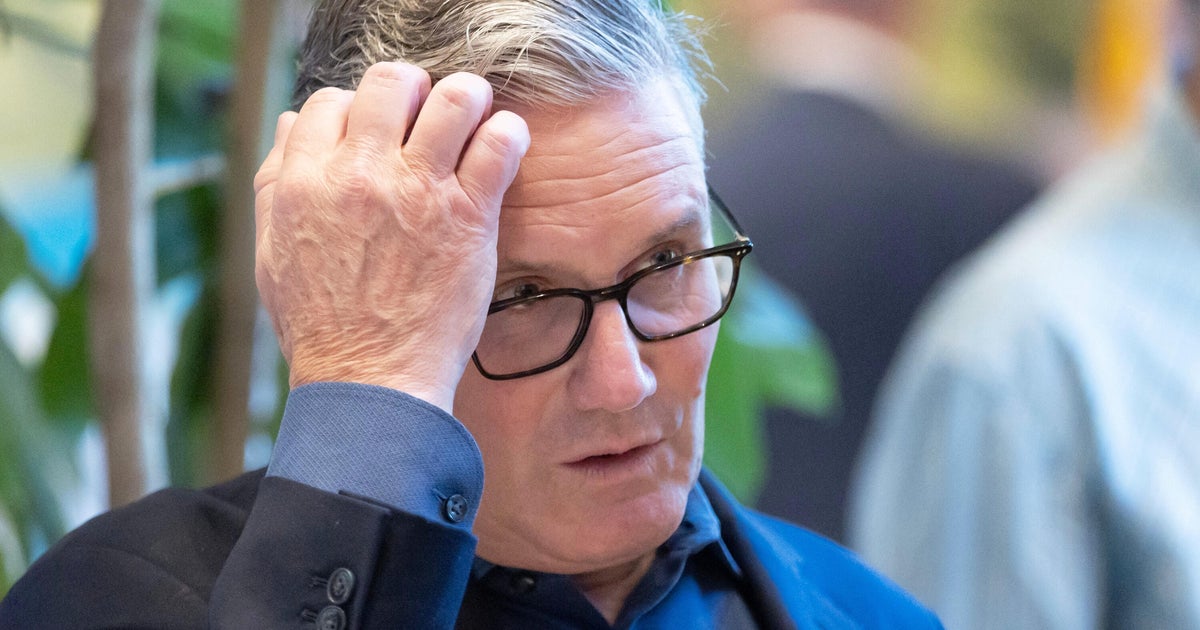
The question facing Labour is not only whether Starmer can survive political pressure, but whether the party can convince voters that politics itself can still provide solutions.
Starmer’s Polling Trouble: A Crisis of Expectations Rather Than Just Leadership
Calls for Keir Starmer to resign after polls showing widespread dissatisfaction with his leadership have created a major political storm. Critics argue that the figures prove the Prime Minister has lost the confidence of the country. However, another perspective is that the problem facing Labour is not simply about one leader, but about the enormous expectations placed on a government promising change after years of public frustration.
When Labour returned to power, many voters hoped for immediate improvements. After a long period of political uncertainty and economic pressure, there was a strong desire for a fresh start. However, transforming a country’s economy and public services is a complicated process that cannot happen overnight.
The disappointment seen in polling may therefore reflect a gap between what voters expected and what any government can realistically deliver in a short period of time. People struggling with high living costs, pressure on healthcare, or concerns about public services often judge governments by their daily experiences rather than by long-term plans.
Opponents argue that a successful Prime Minister must inspire confidence and communicate a clear vision. They claim that Starmer has struggled to create a strong emotional connection with the public and that Labour’s message has become too focused on management rather than transformation.
However, supporters of Starmer would argue that responsible government requires difficult choices. Economic challenges, limited public finances, and global uncertainty restrict what any administration can achieve quickly. They argue that stability and careful decision-making are more important than making promises that cannot be fulfilled.
The criticism also raises a wider question about modern politics. Voters increasingly expect governments to solve complex problems immediately, while many reforms require years before results become visible. This creates pressure on leaders to deliver quick victories while also planning for long-term improvement.
For Labour, the solution is unlikely to come only from changing its leader. A new Prime Minister would still face the same economic challenges and public expectations. The party’s greater challenge is proving that its policies are making a genuine difference and communicating progress more effectively.
Ultimately, political survival depends on results. If voters begin to see improvements in areas that affect their lives, public opinion can change. But if dissatisfaction continues without clear evidence of progress, pressure on Starmer’s leadership will inevitably increase.
In conclusion, the latest polling difficulties should not be viewed only as a personal crisis for Keir Starmer. They represent a broader challenge facing any government that promises major change: turning public hope into visible results. The future of Labour will depend not on political headlines, but on whether it can convince voters that its approach is delivering a better future.