
Labour’s Generational Debate: Tony Blair’s Challenge Is About the Party’s Future
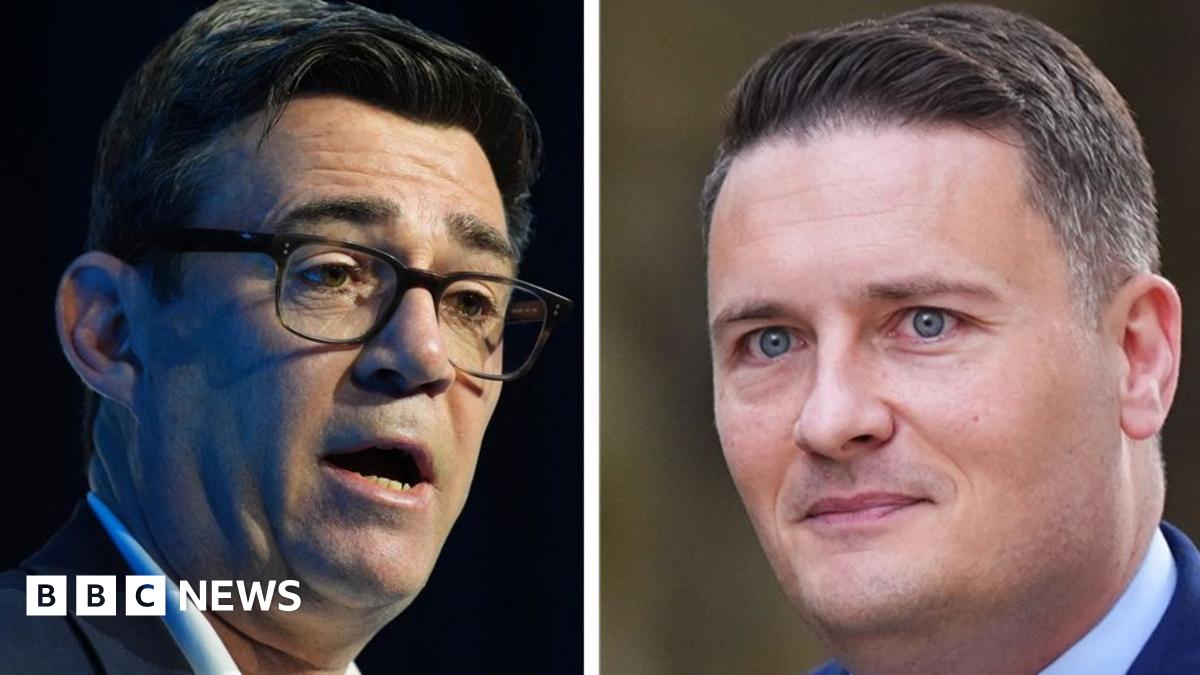
Reports claiming that Tony Blair has declared war on Keir Starmer, Andy Burnham, and Wes Streeting present the situation as a dramatic personal conflict. However, another perspective is that the disagreement represents something much bigger: a debate over Labour’s identity, priorities, and future direction.
Tony Blair remains one of the most influential figures in modern Labour history. His leadership transformed the party during the 1990s by moving it towards the centre of British politics and focusing heavily on electability, economic credibility, and public service reform. For many supporters, his approach showed that Labour could win power by adapting to changing voter expectations.
However, the political environment today is very different. Keir Starmer’s Labour faces challenges that were not identical to those of the Blair era, including economic pressures, declining trust in institutions, and a more divided electorate. The question facing the party is not simply whether to copy the past, but how to respond to a new political landscape.
The debate involving figures such as Andy Burnham and Wes Streeting highlights different ideas about what Labour should represent. Some argue that the party must focus on practical reform, modernisation, and economic growth. Others believe Labour must strengthen its traditional connections with working-class communities and place greater emphasis on social justice and public services.
These disagreements do not necessarily mean the party is falling apart. Large political movements often experience debates about direction, especially when they are attempting to balance historical values with the demands of winning elections and governing effectively.
For Keir Starmer, the challenge is maintaining Labour’s broad coalition of support. He must demonstrate that the party can be both economically responsible and socially ambitious. Too much focus on one side risks alienating important groups of voters, while a balanced approach could strengthen Labour’s long-term position.
The involvement of former leaders also raises questions about how much influence past politicians should have over current governments. Experience can provide valuable lessons, but every generation of leaders must ultimately make its own decisions based on the challenges of its time.
In conclusion, the dispute surrounding Tony Blair and Labour’s current leadership should not only be viewed as a personal battle between politicians. It reflects a deeper discussion about what Labour should become in the future. The party’s success will depend not on choosing between the past and the present, but on creating a vision that connects its history with the needs of modern Britain.
Tony Blair’s Intervention: A Warning Sign for Labour or a Battle with the Past?
Claims that Tony Blair has declared war on Keir Starmer, Andy Burnham, and Wes Streeting have created the impression of a major Labour conflict. However, another perspective is that the controversy is less about personal rivalry and more about a difficult question facing the party: how much influence should the past have over Labour’s future?
Tony Blair’s political legacy remains one of the most significant in modern Labour history. His leadership brought the party a major electoral victory and reshaped its image for a new generation of voters. Supporters argue that his focus on winning elections, economic credibility, and modernisation offers valuable lessons for Labour today.
However, politics does not stand still. The challenges facing Britain today are different from those of the 1990s. Economic uncertainty, public dissatisfaction with institutions, rising living costs, and changing voter expectations have created a very different environment. A strategy that succeeded decades ago may not automatically provide answers for today’s problems.
This creates a dilemma for Labour’s current leadership. On one side, ignoring the lessons of previous successes could mean repeating past mistakes. On the other, relying too heavily on old ideas could prevent the party from developing policies that respond to modern concerns.
The debate involving figures such as Keir Starmer, Andy Burnham, and Wes Streeting reflects this wider struggle. Labour must decide whether its priority should be becoming a more centrist, election-focused party or rebuilding stronger connections with communities that feel left behind by economic and social change.
Tony Blair’s criticism or intervention may be intended as strategic advice rather than personal opposition. Former leaders often feel a responsibility to protect the political movements they once led. However, there is also a risk that too much influence from former figures can limit the ability of new leaders to create their own identity.
For Keir Starmer, the challenge is proving that Labour can learn from its history without being controlled by it. A successful party must respect its past achievements while recognising that voters and circumstances have changed.
Ultimately, the future of Labour will not be decided by arguments between old and new politicians. It will depend on whether the party can develop a clear vision that addresses the problems facing Britain today and convinces voters that it understands their concerns.
In conclusion, the dispute surrounding Tony Blair is not simply a personal conflict within Labour. It represents a deeper debate about experience, change, and political renewal. The party’s challenge is to use the lessons of the past while having the confidence to build a future that belongs to a new generation.