
Beyond the Slogan: Can Labour’s Business Promises Deliver Real Growth?
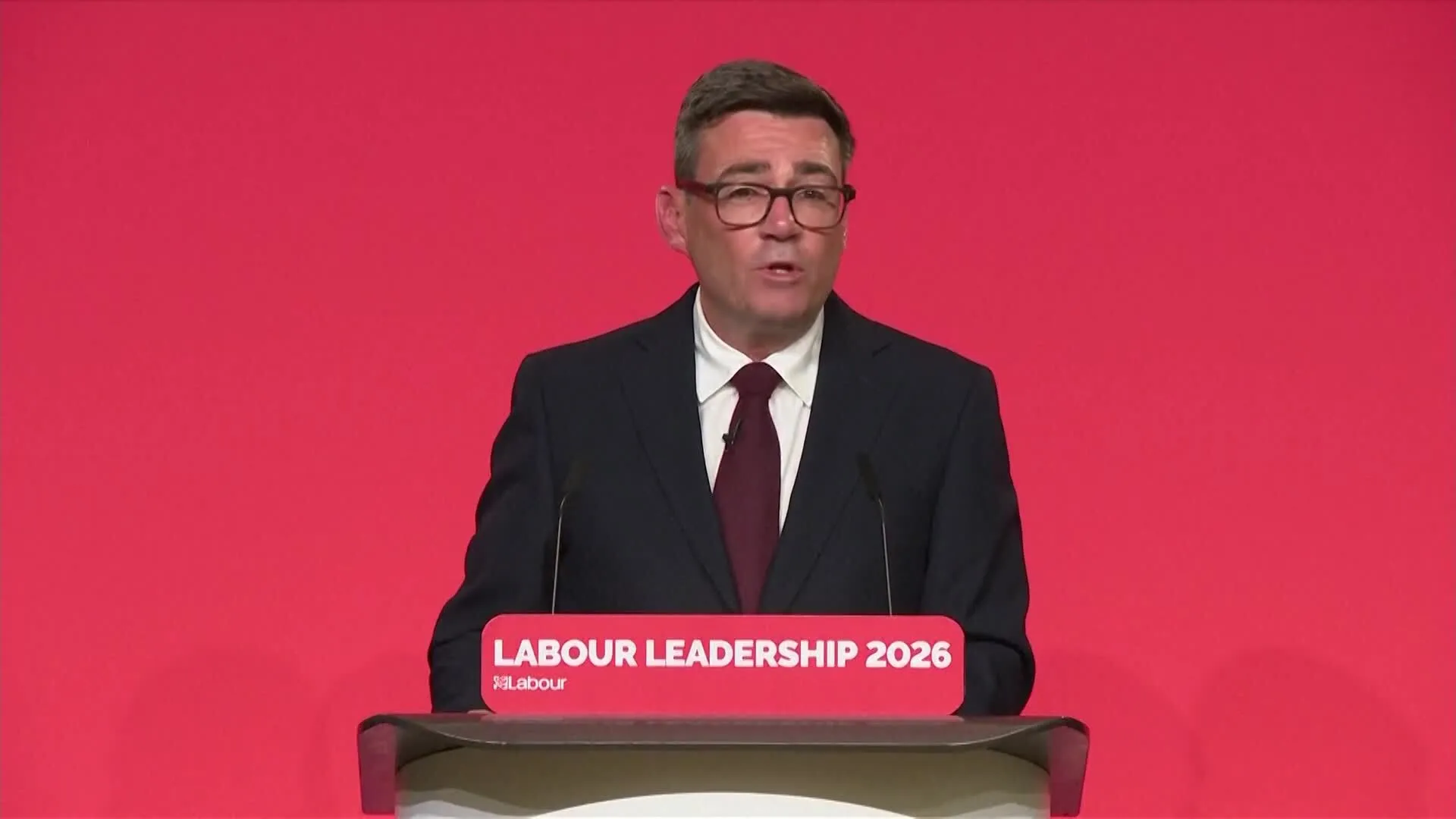
Labour’s message that “Hope Starts Here” and its pledge to support the businesses Britain values has attracted attention from business leaders and voters alike. The announcement presents an optimistic vision of economic renewal, suggesting that government and businesses can work together to create jobs, encourage investment, and strengthen local communities. However, another perspective is that the success of these promises will depend not on political messaging, but on practical implementation.
Businesses across the United Kingdom have faced years of uncertainty. Rising costs, labour shortages, inflation, and changing global markets have made it increasingly difficult for many companies to plan for the future. As a result, any government promising greater support is likely to receive attention. Yet businesses often judge governments less by speeches and more by whether policies create a stable environment for long-term investment.
Labour’s challenge is to balance two important goals. On one hand, it wants to encourage economic growth by supporting businesses and attracting investment. On the other, it has also promised stronger protections for workers, improved public services, and responsible public spending. Achieving all of these objectives simultaneously will require careful planning and difficult policy choices.

Support for business should also extend beyond large corporations. Small and medium-sized enterprises make up a significant part of the British economy, providing employment and innovation in communities across the country. If government support mainly benefits larger firms, many local businesses may continue to struggle despite positive political messaging.
Another important factor is trust. Business leaders value consistency because investment decisions are often made over many years. Frequent policy changes or uncertainty can discourage expansion, even when governments promise support. Therefore, Labour’s credibility will depend on whether it can provide clear, predictable policies that businesses can rely on.
At the same time, businesses themselves have responsibilities. Government support should encourage innovation, productivity, and sustainable growth rather than simply protecting inefficient practices. A successful economy requires cooperation between the public and private sectors, with both contributing to long-term prosperity.
In conclusion, Labour’s promise to support British businesses offers an optimistic vision for economic growth. However, slogans alone cannot transform the economy. The real measure of success will be whether these commitments result in practical policies that improve confidence, encourage investment, and help businesses of all sizes grow in an increasingly competitive global market.
Supporting Business Means Building the Right Environment, Not Just Making Promises
Labour’s latest pledge to support the businesses Britain values has been welcomed by many as a positive sign for the economy. The message suggests that government is ready to work closely with the private sector to encourage growth and create opportunities. However, another perspective is that businesses do not primarily need political promises—they need a stable, fair, and predictable environment in which they can succeed on their own.
Successful businesses depend on more than government assistance. Entrepreneurs are more likely to invest when taxes are clear, regulations are consistent, and long-term economic policies remain stable. Frequent policy changes or short-term political initiatives can create uncertainty, making it harder for companies to plan, hire workers, or expand their operations.
Rather than choosing which businesses deserve support, governments should focus on creating equal opportunities for all. Small and medium-sized enterprises, family-owned firms, and start-ups often face greater challenges than large corporations. If public support is concentrated on a limited number of sectors or companies, it may unintentionally reduce competition and limit innovation.
Another important issue is productivity. Britain’s long-term economic growth will depend not only on financial support but also on investment in education, infrastructure, research, and digital technology. These areas help businesses become more competitive without making them dependent on government intervention.
At the same time, businesses also have responsibilities. Economic growth should be accompanied by fair employment practices, responsible environmental policies, and investment in local communities. A healthy economy is built on cooperation between government and business, with each side contributing to long-term prosperity rather than pursuing only short-term gains.
Labour’s challenge will therefore be to demonstrate that its promises go beyond positive slogans. Business confidence is earned through consistent policies, transparent decision-making, and a willingness to listen to companies of every size. Announcements may generate optimism, but confidence grows when businesses experience real improvements in the conditions under which they operate.
In conclusion, supporting British businesses should not be measured simply by the amount of government assistance available. The most effective role for government is to create an environment where companies can compete fairly, innovate freely, and invest with confidence. If Labour can achieve that balance, its commitment to business may produce lasting economic benefits rather than temporary political headlines.