

Prime Minister was pressed in the House of Commons over the rising cost of welfare benefits, following the release of private text messages involving a senior political figure. The exchange occurred during a session where the opposition challenged the government’s record on welfare spending and reform.
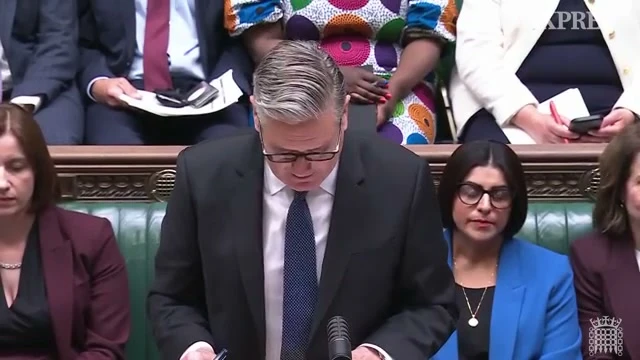
The Prime Minister was asked directly by how much the welfare bill had increased since he came to office. In response, he stated that the government had inherited a broken system from the party opposite. He outlined steps being taken to improve the system, including delivering a youth guarantee, rolling out 300,000 work experience placements, and commissioning Alan Milbour’s review into youth unemployment. He noted that the number on welfare and the cost had risen significantly under the previous government.
The opposition member countered that benefits alone had risen by 20 billion pounds since the Prime Minister came to office. She then asked why there was no welfare reform bill in the King’s speech. The Prime Minister replied that welfare reform involves balancing universal credit so it no longer pushes people away from work, introducing a right to try to incentivize people to take up opportunities, and providing record funding on apprenticeships. He stated that the opposition had voted against these measures.
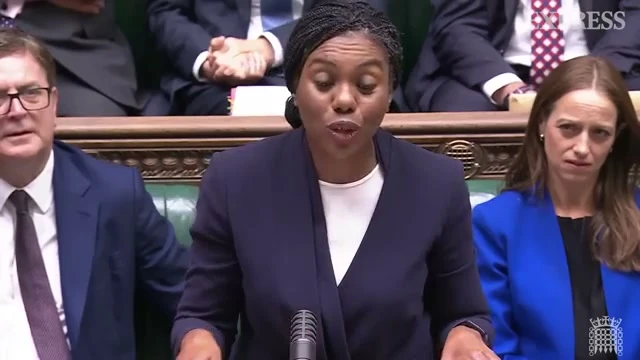
The Prime Minister further argued that the welfare bill had soared to 88 billion pounds under the previous government’s watch, with nearly 3 million people written off and face-to-face assessments collapsing due to contracts signed by the shadow chancellor. The opposition member responded that the bill went up because of the pandemic, adding that the problem was not the shadow chancellor but the actual chancellor, who was not present in her place. She stated that the reason there was no welfare bill was because the Prime Minister had given up.
The opposition pressed the Prime Minister on whether he would cut the benefits bill, noting that the welfare secretary was asked 12 times on national radio on Sunday if he would make cuts and could not answer. The Prime Minister responded that all measures being taken to reform welfare and get young people into work are designed to reduce the cost and number of unemployed people. He cited the youth guarantee, which provides help into work and a supported job for six months after 18 months if needed.
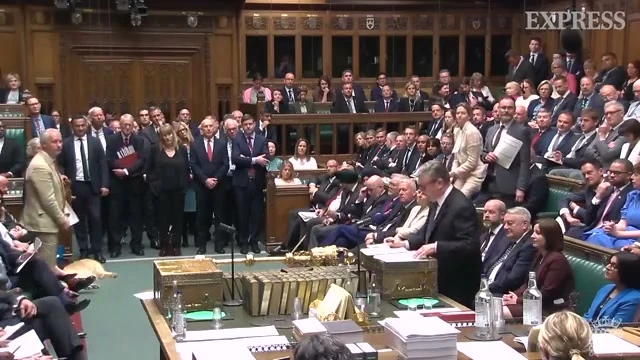
The opposition member argued that none of the Prime Minister’s stated reforms would cut the bill, pointing to his own Tim’s review, which explicitly states it is not about generating proposals for further savings. She recalled that the government had a chance to cut benefits last year but U-turned on the floor of the House. She asked if the Prime Minister agreed with his welfare secretary that this was the moment he lost his authority. The Prime Minister responded by highlighting economic achievements, including the fastest growing economy in the G7, UK growth up and inflation down, net migration down by 82%, the asylum backlog down by 46%, and the fastest reduction in waiting times in the NHS in its history.
The opposition member said the Prime Minister had no authority and that his MPs would not let him do anything. She referenced private text messages, stating that the welfare secretary had said in private what they would not say in public: that every meeting with Labour MPs is about who can be taxed to pay more benefits. She then noted that Tony Blair had said if the Conservative Party repeats its offer of working together on welfare, Labor should accept, and she repeated that offer to the Prime Minister.
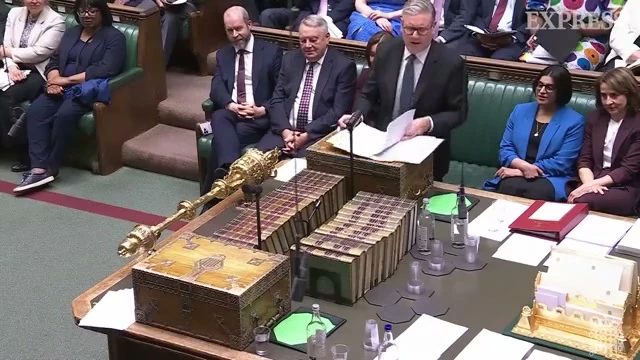
The Prime Minister declined the offer, stating that the opposition introduced a broken system and put the bill through the roof, and they now want to give advice on welfare. He said the question should always be about what help can be given to change people’s lives, which is what the work and pension secretary was arguing. He listed achievements including more rights for renters, more rights for workers including bereavement leave on day one, and lifting half a million children out of poverty.
The opposition member countered that unemployment has risen every single month since the government came into office. She stated that despite the Prime Minister’s huge majority, he does not have the votes to reform welfare, and offered a conservative solution: benefits bill down, taxes down, growth up. She accused the Prime Minister of being a caretaker keeping the seat warm for the mayor of Manchester, and said the problem is the Labor Party.
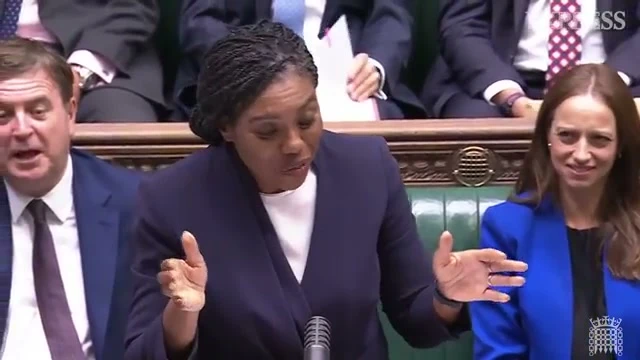
The Prime Minister responded by saying he would not take much notice of the leader of the opposition. He stated that for 14 years, the opposition broke the welfare system, lost control of borders, presided over the biggest fall in living standards on record, and broke the economy, prisons, and the NHS. He declared the change delivered by this Labor government, including the biggest upgrade in workers rights in a generation, renters rights act delivered, record funding for the NHS delivered, the fastest growing economy in the G7 delivered, and lifting half a million children out of poverty delivered. He concluded by stating the government would fight even harder for working people to build a stronger and fairer Britain.
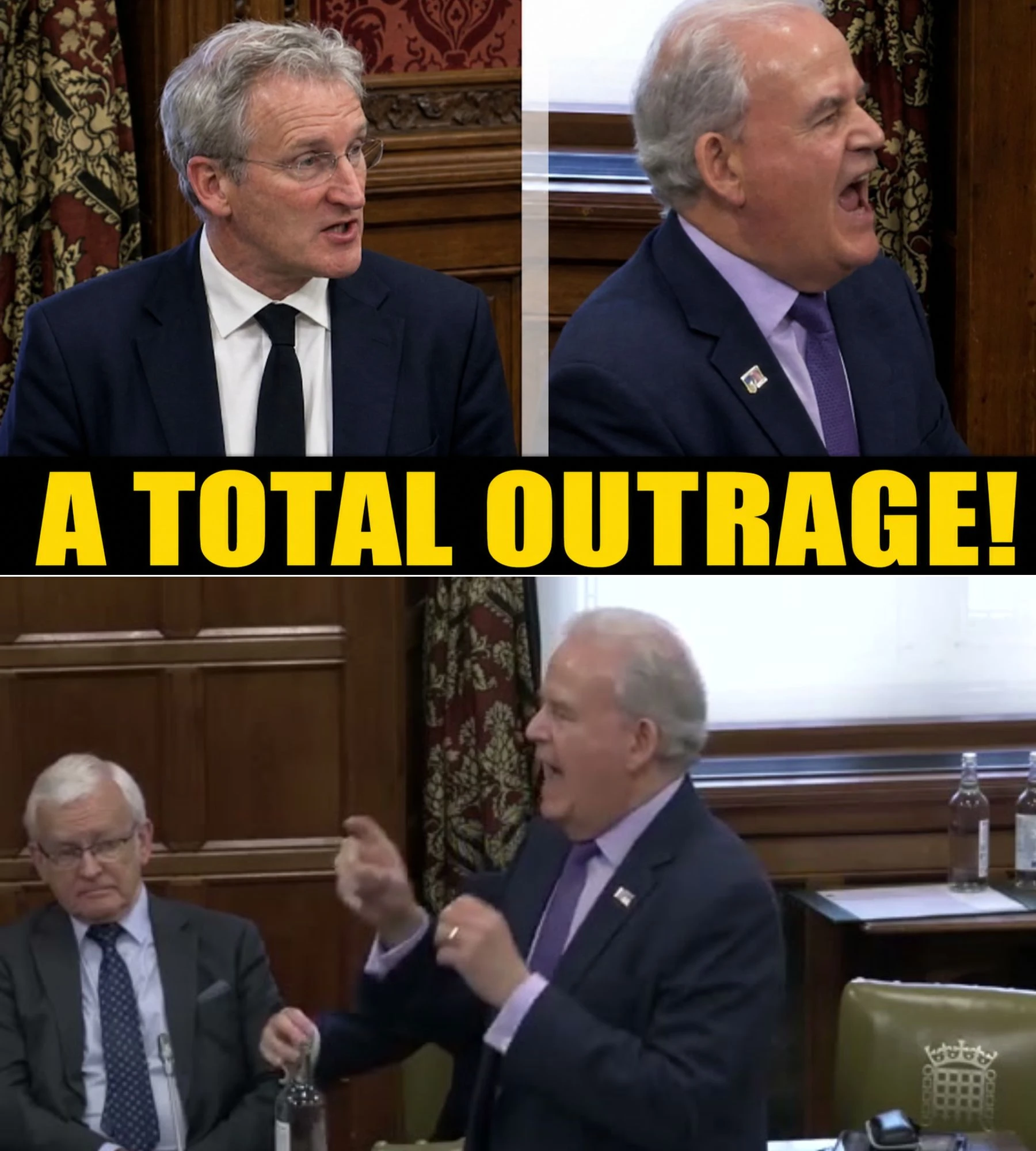
Labour MPs Furious Over Desperate Election Rule Changes Branded as Corrupt Bid to Cut Losses
A heated parliamentary debate has erupted over proposed local government restructuring in Hampshire and Leicestershire, with opposition MPs accusing the Labour government of acting without a mandate and disregarding community identity. The debate, secured by the honorable member for Harbor, saw multiple speakers express outrage at what they described as a “desperate” attempt to redraw constituency and council boundaries without proper public consultation. The central complaint from MPs is that the changes were not included in Labour’s general election manifesto and were announced long after the election, undermining democratic principles.
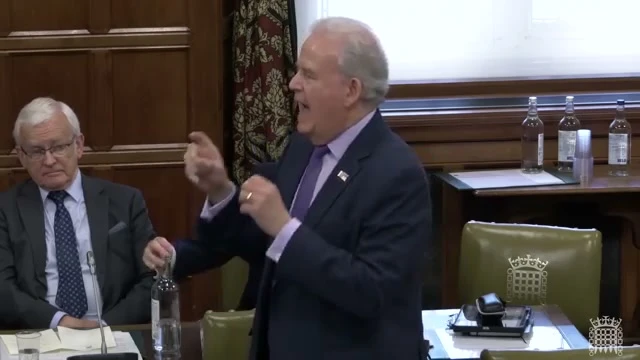
Sir Julian Lewis, representing New Forest East, led the criticism by detailing the impact on his constituency. He described the proposed merger of parts of the New Forest into the city of Southampton as a “naked land grab” that tears apart historic communities. Sir Julian noted that the changes split the New Forest constituency, pulling wards known collectively as the Waterside away from their traditional community. He emphasized that such boundary alterations are normally carried out by an impartial body like the Boundary Commission, but in this case, a “coach and horses” has been driven through local, cultural, and historic ties. To demonstrate public opposition, he cited an online petition that had gathered 22,812 signatures by 10:00 that morning, with paper signatures likely pushing the total well over 25,000.
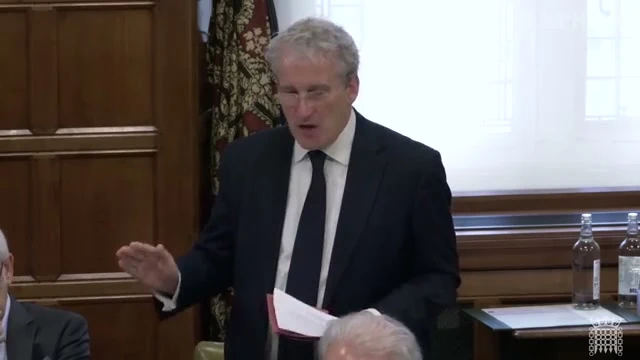
The debate also highlighted the government’s own stated criteria for reorganization, which MPs argue have been ignored. Sir Julian recalled that the original minister for Olden West had set out conditions including no unnecessary duplication, no fragmentation, and that new unitary authorities should be built from existing borough and district council areas unless there was a very strong reason for change. However, he stated that the only justifications provided have been vague comments about maximizing economic prosperity, which he called an excuse for any politically outrageous change. The honorable member for East Hampshire echoed this, noting that local leaders engaged with the process in good faith based on those criteria, only to see them disregarded.
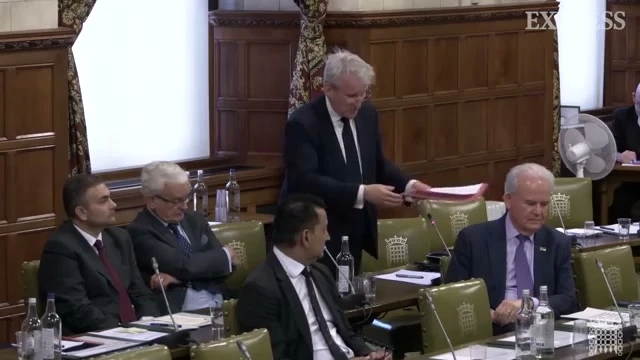
Further concerns were raised about the financial and operational logic of the plan. The member for East Hampshire pointed to a serious piece of work by Price Waterhouse Coopers regarding the minimum scale of 500,000 residents to deliver services effectively. He noted that in Hampshire, two proposed mainland authorities fall below that threshold, raising questions about sustainability. He also referenced a summary of conditions from Um Nick Adams King, the leader of Hampshire County Council, which demanded that any new structure be financially sustainable, capable of delivering high-quality services, and must reflect real communities without creating winners and losers. The MP stressed that the government has not revealed its own analysis or feasibility assessment for the chosen option, leading to a demand from 16 council leaders for the department to “show us your workings.”
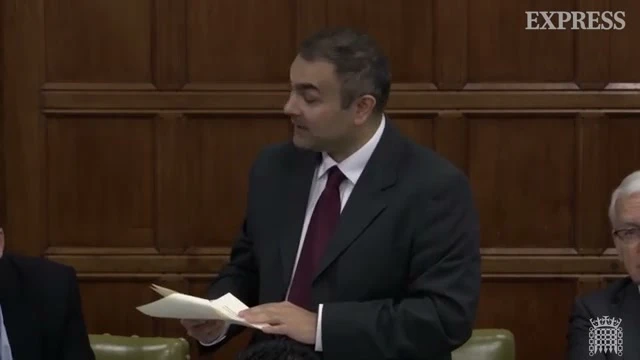
The issue of public consent dominated the latter part of the debate, with the member for Mid Bedfordshire focusing on the situation in Leicestershire. He described how constituents from villages like Burl and Glenfield, who moved away from Leicester City to escape crime and decline, now fear being forcibly reabsorbed into the city administration. He warned that an expanded Leicester City Council might concrete over green spaces like the former Western Park Golf Course instead of developing brownfield sites. The MP noted that a petition of over 10,000 signatures from villages surrounding Leicester City Council was presented by colleagues, and that he had tabled an amendment to the English devolution bill to require a resident referendum before any reorganization, an amendment the government did not take up. He concluded by promising to oppose any attempt to place his villages under Leicester City Council control.
Prime Minister was pressed in the House of Commons over the rising cost of welfare benefits, following the release of private text messages involving a senior political figure. The exchange occurred during a session where the opposition challenged the government’s record on welfare spending and reform.
The Prime Minister was asked directly by how much the welfare bill had increased since he came to office. In response, he stated that the government had inherited a broken system from the party opposite. He outlined steps being taken to improve the system, including delivering a youth guarantee, rolling out 300,000 work experience placements, and commissioning Alan Milbour’s review into youth unemployment. He noted that the number on welfare and the cost had risen significantly under the previous government.
The opposition member countered that benefits alone had risen by 20 billion pounds since the Prime Minister came to office. She then asked why there was no welfare reform bill in the King’s speech. The Prime Minister replied that welfare reform involves balancing universal credit so it no longer pushes people away from work, introducing a right to try to incentivize people to take up opportunities, and providing record funding on apprenticeships. He stated that the opposition had voted against these measures.
The Prime Minister further argued that the welfare bill had soared to 88 billion pounds under the previous government’s watch, with nearly 3 million people written off and face-to-face assessments collapsing due to contracts signed by the shadow chancellor. The opposition member responded that the bill went up because of the pandemic, adding that the problem was not the shadow chancellor but the actual chancellor, who was not present in her place. She stated that the reason there was no welfare bill was because the Prime Minister had given up.
The opposition pressed the Prime Minister on whether he would cut the benefits bill, noting that the welfare secretary was asked 12 times on national radio on Sunday if he would make cuts and could not answer. The Prime Minister responded that all measures being taken to reform welfare and get young people into work are designed to reduce the cost and number of unemployed people. He cited the youth guarantee, which provides help into work and a supported job for six months after 18 months if needed.
The opposition member argued that none of the Prime Minister’s stated reforms would cut the bill, pointing to his own Tim’s review, which explicitly states it is not about generating proposals for further savings. She recalled that the government had a chance to cut benefits last year but U-turned on the floor of the House. She asked if the Prime Minister agreed with his welfare secretary that this was the moment he lost his authority. The Prime Minister responded by highlighting economic achievements, including the fastest growing economy in the G7, UK growth up and inflation down, net migration down by 82%, the asylum backlog down by 46%, and the fastest reduction in waiting times in the NHS in its history.
The opposition member said the Prime Minister had no authority and that his MPs would not let him do anything. She referenced private text messages, stating that the welfare secretary had said in private what they would not say in public: that every meeting with Labour MPs is about who can be taxed to pay more benefits. She then noted that Tony Blair had said if the Conservative Party repeats its offer of working together on welfare, Labor should accept, and she repeated that offer to the Prime Minister.
The Prime Minister declined the offer, stating that the opposition introduced a broken system and put the bill through the roof, and they now want to give advice on welfare. He said the question should always be about what help can be given to change people’s lives, which is what the work and pension secretary was arguing. He listed achievements including more rights for renters, more rights for workers including bereavement leave on day one, and lifting half a million children out of poverty.
The opposition member countered that unemployment has risen every single month since the government came into office. She stated that despite the Prime Minister’s huge majority, he does not have the votes to reform welfare, and offered a conservative solution: benefits bill down, taxes down, growth up. She accused the Prime Minister of being a caretaker keeping the seat warm for the mayor of Manchester, and said the problem is the Labor Party.
The Prime Minister responded by saying he would not take much notice of the leader of the opposition. He stated that for 14 years, the opposition broke the welfare system, lost control of borders, presided over the biggest fall in living standards on record, and broke the economy, prisons, and the NHS. He declared the change delivered by this Labor government, including the biggest upgrade in workers rights in a generation, renters rights act delivered, record funding for the NHS delivered, the fastest growing economy in the G7 delivered, and lifting half a million children out of poverty delivered. He concluded by stating the government would fight even harder for working people to build a stronger and fairer Britain.
Labour MPs Furious Over Desperate Election Rule Changes Branded as Corrupt Bid to Cut Losses
A heated parliamentary debate has erupted over proposed local government restructuring in Hampshire and Leicestershire, with opposition MPs accusing the Labour government of acting without a mandate and disregarding community identity. The debate, secured by the honorable member for Harbor, saw multiple speakers express outrage at what they described as a “desperate” attempt to redraw constituency and council boundaries without proper public consultation. The central complaint from MPs is that the changes were not included in Labour’s general election manifesto and were announced long after the election, undermining democratic principles.
Sir Julian Lewis, representing New Forest East, led the criticism by detailing the impact on his constituency. He described the proposed merger of parts of the New Forest into the city of Southampton as a “naked land grab” that tears apart historic communities. Sir Julian noted that the changes split the New Forest constituency, pulling wards known collectively as the Waterside away from their traditional community. He emphasized that such boundary alterations are normally carried out by an impartial body like the Boundary Commission, but in this case, a “coach and horses” has been driven through local, cultural, and historic ties. To demonstrate public opposition, he cited an online petition that had gathered 22,812 signatures by 10:00 that morning, with paper signatures likely pushing the total well over 25,000.
The debate also highlighted the government’s own stated criteria for reorganization, which MPs argue have been ignored. Sir Julian recalled that the original minister for Olden West had set out conditions including no unnecessary duplication, no fragmentation, and that new unitary authorities should be built from existing borough and district council areas unless there was a very strong reason for change. However, he stated that the only justifications provided have been vague comments about maximizing economic prosperity, which he called an excuse for any politically outrageous change. The honorable member for East Hampshire echoed this, noting that local leaders engaged with the process in good faith based on those criteria, only to see them disregarded.
Further concerns were raised about the financial and operational logic of the plan. The member for East Hampshire pointed to a serious piece of work by Price Waterhouse Coopers regarding the minimum scale of 500,000 residents to deliver services effectively. He noted that in Hampshire, two proposed mainland authorities fall below that threshold, raising questions about sustainability. He also referenced a summary of conditions from Um Nick Adams King, the leader of Hampshire County Council, which demanded that any new structure be financially sustainable, capable of delivering high-quality services, and must reflect real communities without creating winners and losers. The MP stressed that the government has not revealed its own analysis or feasibility assessment for the chosen option, leading to a demand from 16 council leaders for the department to “show us your workings.”
The issue of public consent dominated the latter part of the debate, with the member for Mid Bedfordshire focusing on the situation in Leicestershire. He described how constituents from villages like Burl and Glenfield, who moved away from Leicester City to escape crime and decline, now fear being forcibly reabsorbed into the city administration. He warned that an expanded Leicester City Council might concrete over green spaces like the former Western Park Golf Course instead of developing brownfield sites. The MP noted that a petition of over 10,000 signatures from villages surrounding Leicester City Council was presented by colleagues, and that he had tabled an amendment to the English devolution bill to require a resident referendum before any reorganization, an amendment the government did not take up. He concluded by promising to oppose any attempt to place his villages under Leicester City Council control.