

Keir Starmer wants to be PM until 2034 (Image: Getty)
Sir Keir Starmer wants to stay in Downing Street until 2034, despite reports of plots to topple the Prime Minister continue to haunt the Labour leader. The PM has been facing intense speculation over his future in recent weeks fuelled in part by Greater Manchester Mayor Andy Burnham and an extraordinary briefing war over suggestions Health Secretary Wes Streeting was plotting to mount a coup.
But Sir Keir has repeated his ambition to be PM for a decade, meaning he would continue in office until 2034. The Labour leader said during the 2024 General Election that he wanted to preside over a decade of “national renewal”.
Asked by GB News if he would serve a full second terms assuming Labour wins the next election, Sir Keir said: “Yes. I’ve always said this is a decade of national renewal.”
He said Labour was elected on a change mandate, which he said meant “bearing down” on the cost-of-living crisis.
The Prime Minister said he would be judged at the next election on whether people feel better off, the NHS is in better shape and Brits feel safe in their communities.
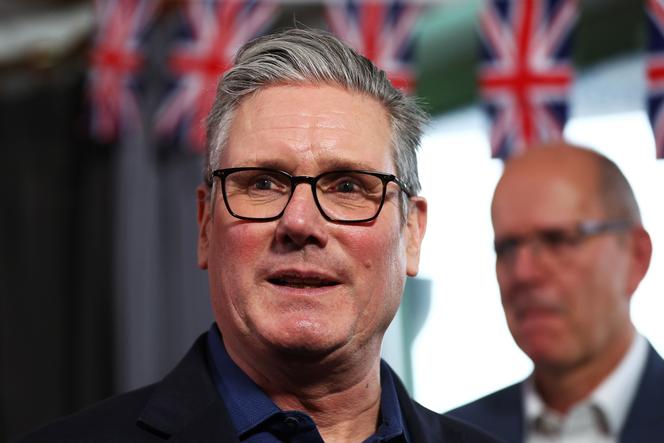
Mr Burnham on Thursday repeatedly refused to rule out challenging Sir Keir for the leadership of the Labour Party, saying he was not in a position to dismiss such a move.
The ex-MP for Leigh said he appreciated the support of Labour MP Clive Lewis, who said he would be willing to give up his Norwich South seat to allow him to mount a leadership challenge.
Sir Keir faced further calls to quit on Friday, with a second Labour MP joining Mr Lewis in backing a change of leadership.
In an interview with former Labour candidate Ali Milani, Nottingham East MP Nadia Whittome said: “I think there does have to be a new leader.
“Even if Keir Starmer had a radical change of direction, I don’t think people would believe him. And I don’t think people around him would allow that to happen.
“So I think there has to be a change in leadership, a change in personnel, of the people in Number 10, and a completely different direction for the party.”
Mr Burnham has been touted as a possible successor to the Prime Minister by those unhappy with the direction of the Government, but he would need to return to the Commons to launch a bid for the top job.
Pressed on whether Mr Burnham should ease off, Sir Keir told journalists: “Andy’s doing a really good job as mayor in Manchester and we work very closely together.”
Confident Keir Starmer Wants to Be PM Until 2034 as Labour Looks to Shape a Decade in Poser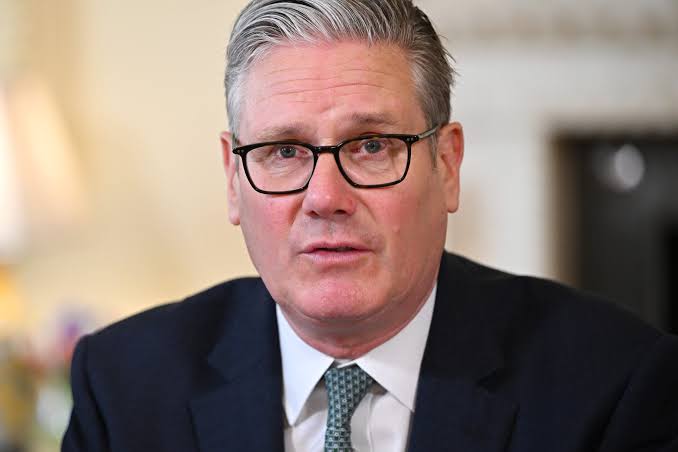
Sir Keir Starmer has signalled confidence in his long-term political ambitions, with allies suggesting the Prime Minister believes Labour can remain in government for a decade and potentially continue its programme well into the 2030s.
The idea of a government lasting beyond a single parliamentary term has become a central ambition for many administrations. After years of political instability in Westminster, Labour figures argue that voters are looking for consistency, economic improvement and a government capable of delivering lasting change rather than short-term political announcements.
Starmer entered Downing Street promising a new era of stability and renewal after a period of significant political turbulence. His supporters argue that rebuilding public services, improving economic performance and restoring trust in institutions will require more than a few years in office.
However, the suggestion of a long premiership has also triggered debate among critics, who question whether Labour can maintain public support over such an extended period. Political history shows that governments often experience declining popularity after taking office, particularly when difficult decisions begin to affect voters directly.
For Starmer and his supporters, the challenge is turning an electoral victory into a sustainable political project. Winning power and maintaining power require different skills, with governments needing to manage expectations while delivering visible improvements in people’s daily lives.
Labour insiders argue that the party’s goal is not simply to govern for one term but to transform the country through long-term reforms. They point to areas such as healthcare, education, infrastructure, housing and economic development as examples where lasting changes require sustained commitment.
The Prime Minister has repeatedly emphasised the importance of long-term planning rather than short-term political gestures. His supporters say this approach reflects a belief that major national challenges cannot be solved quickly and that voters should judge the government on results over time.
Yet political opponents argue that discussions about remaining in power until 2034 may appear premature. They suggest that governments must first prove their effectiveness before talking about a decade-long mandate. According to critics, public confidence must be earned through performance rather than assumptions about future success.
The question of longevity also raises broader issues about leadership and succession within Labour. Whenever a Prime Minister suggests a long political horizon, speculation inevitably emerges about whether the party has enough experienced figures capable of supporting that ambition.
Potential future Labour leaders continue to attract attention from commentators, although senior figures have largely focused on supporting the current government rather than discussing succession. Political analysts note that parties with strong governing records often avoid internal leadership debates, while periods of difficulty can quickly revive questions about alternatives.
One of the biggest tests for Starmer’s long-term prospects will be the economy. Governments are frequently judged by employment levels, wage growth, inflation, taxation and living standards. If voters feel economic conditions are improving, political support can become more durable. If improvements are slow or uneven, dissatisfaction can grow rapidly.
Public services represent another major challenge. Labour has promised significant improvements in areas such as the National Health Service, schools and local government. Delivering those commitments while managing financial pressures will be a defining factor in whether voters view the government as successful.
The Prime Minister must also navigate internal party expectations. Labour contains a wide range of political opinions, from those who prioritise economic caution and fiscal responsibility to those demanding faster and more ambitious reforms. Maintaining unity across those different groups will be essential if Starmer hopes to remain leader for many years.
Beyond domestic politics, international events could also shape the government’s future. Economic shocks, security crises and changes in global alliances have historically affected the fortunes of British governments regardless of their original plans.
Opposition parties, meanwhile, will attempt to prevent Labour from establishing a long-term hold on power. They will seek to highlight government failures, offer alternative policies and persuade voters that change is needed. Political competition means that no governing party can assume future victories.
The rise of smaller parties has added another layer of uncertainty to British politics. Voters have become increasingly willing to move between parties, making traditional assumptions about long-term loyalty less reliable than in previous decades.
For Labour, the ambition of remaining in government until 2034 represents both an opportunity and a challenge. A decade in power would allow the party to implement deeper reforms, but it would also expose it to years of scrutiny and public judgement.
Political historians often note that long governments are built on a combination of strong leadership, favourable economic conditions and the ability to adapt to changing public expectations. Electoral victories provide an opportunity, but they do not guarantee political survival.
At present, Starmer’s allies believe the government has the foundations needed for a long period of Labour rule. They argue that voters chose stability and change after years of uncertainty and that delivering on those expectations could secure continued support.
Critics remain sceptical, warning that public patience can quickly disappear if promises are not fulfilled. They argue that the Prime Minister’s future will depend not on ambition or confidence but on whether ordinary voters believe their lives are improving.
Ultimately, the possibility of a Starmer premiership lasting until 2034 will be decided by events beyond Westminster speculation. Elections, economic conditions and public opinion will determine whether Labour can transform an initial mandate into a lasting political era.
For now, the Prime Minister appears determined to think beyond the immediate political cycle. Whether that confidence becomes reality will depend on his government’s ability to deliver the change it promised and maintain the trust of the electorate over the years ahead.