
CONTENT WARNING: This article examines the documented atrocities committed by SS officer Amon Goeth at the Kraków-Płaszów concentration camp during the Holocaust. It contains descriptions of extreme violence, murder, and dehumanization that may be deeply disturbing. The purpose is solely educational—to inform about the mechanisms of Nazi terror, the human cost of genocide, and the importance of historical memory—not to glorify or encourage violence.
Kraków-Płaszów, 1943–1944: Amon Goeth and the Machinery of Terror – A Case Study in Holocaust Brutality
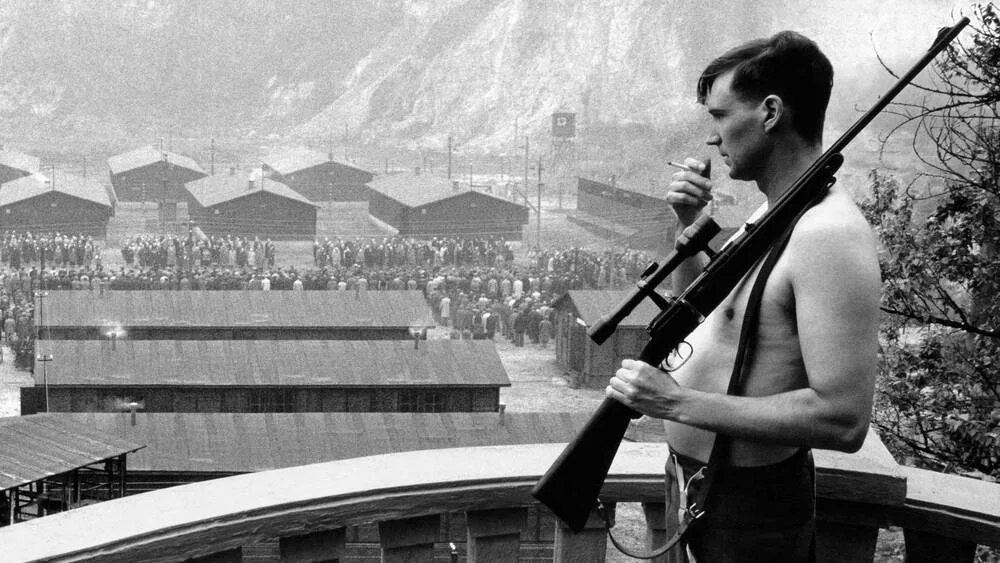
In the hills south of Kraków, the Kraków-Płaszów concentration camp operated from 1942 to 1945 as part of Operation Reinhard, the Nazi plan to exterminate Polish Jews. Under the command of SS-Hauptsturmführer Amon Leopold Goeth from February 1943 to September 1944, the camp became a site of systematic murder, forced labor, and psychological terror. Goeth, appointed as the camp’s third commandant, oversaw a facility that grew to hold up to 25,000 prisoners, most of whom were Jews deported from the Kraków Ghetto during its liquidation in March 1943.
This analysis, drawn from survivor testimonies, Nuremberg trial records, Polish court documents, and Holocaust memorial archives, examines Goeth’s documented actions—not to sensationalize, but to educate on how individual authority within the Nazi system enabled mass violence and how such crimes were later prosecuted. It underscores the moral imperative to remember so that future generations understand the consequences of unchecked hatred and dehumanization.
Early Life and Path to Power
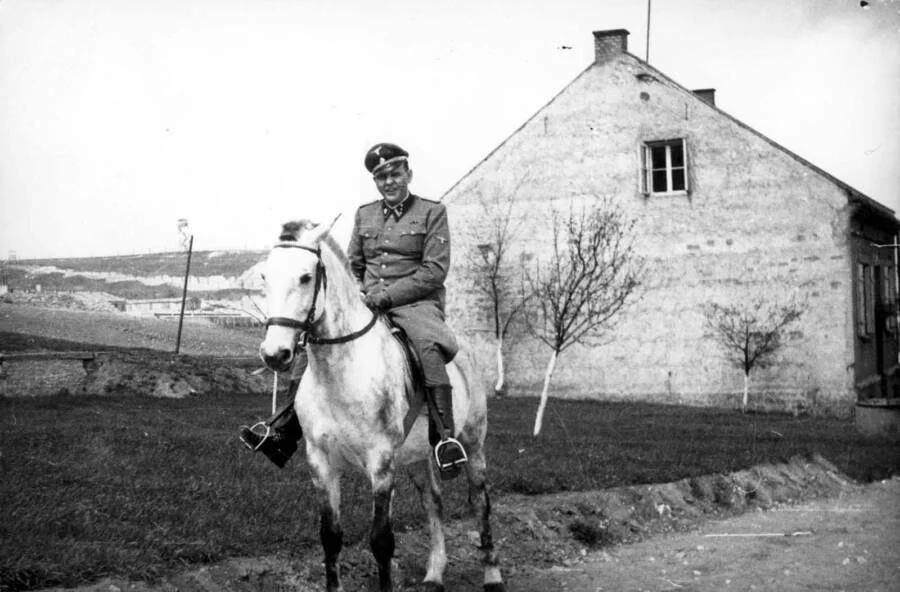
Born December 11, 1908, in Vienna, Goeth joined the Austrian Nazi Party in the early 1930s and the SS in 1932. After the 1938 Anschluss, he rose rapidly, reaching Hauptsturmführer by 1943. His pre-war activities included smuggling arms and intelligence, earning him the designation “old fighter” among early Nazi loyalists.
Assigned to Operation Reinhard, Goeth arrived at Płaszów with a mandate to transform a forced-labor site—built on the ruins of two Jewish cemeteries—into a full concentration camp. By January 1944, it included barracks, quarries, and execution grounds, functioning as both a labor and transit facility en route to extermination camps like Auschwitz.
Documented Atrocities: Patterns of Violence
Survivor accounts and postwar trials established a pattern of arbitrary killings under Goeth’s direct supervision:
Balcony shootings: Multiple witnesses, including Mietek Pemper (Schindler’s secretary) and Dr. Aleksander Bieberstein, testified that Goeth routinely fired a rifle from his villa balcony into prisoner assemblies during morning roll call. These acts were not strategic but capricious, triggered by minor perceived infractions or no reason at all. Estimates from the 1946 Kraków trial attribute approximately 500 personal murders to Goeth via this method.
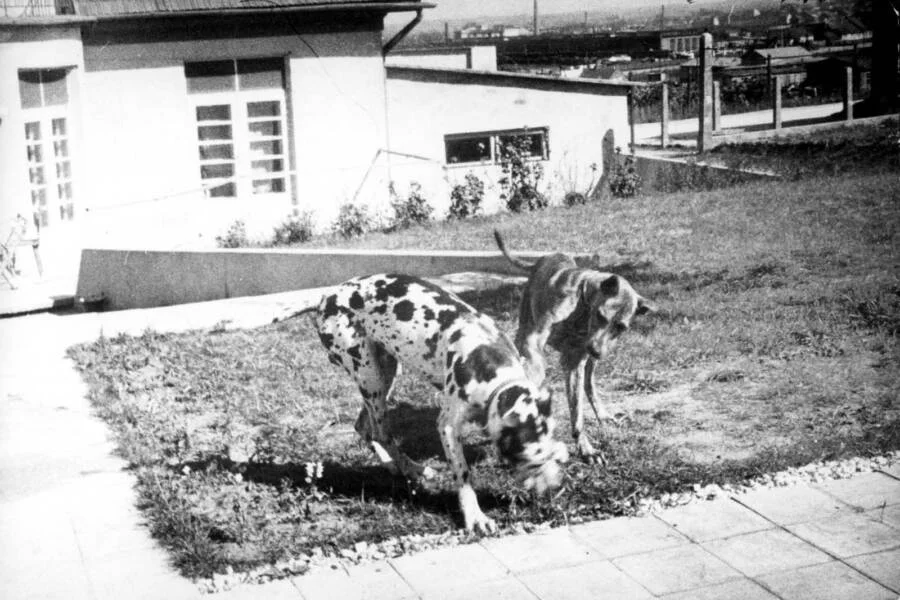
Use of trained dogs: Goeth maintained two Great Danes, Rolf and Ralf, conditioned to attack on command. Survivor Henryk Mandel described the dogs being unleashed on prisoners—often children or the elderly—resulting in maiming or death from wounds and infection. One verified incident involved Goeth ordering a Jewish dog handler executed after suspecting the animals had become “too attached.”
Camp-wide executions: Goeth presided over “health selections” in which prisoners were stripped, inspected, and sent to Auschwitz if deemed unfit. A single “Gesundheitsaktion” in May 1944 resulted in 1,400 deportations. He also directed the liquidation of the Kraków Ghetto and oversaw mass shootings, including the 1943 Tarnów action, where 90 women and children were killed in one day.
The camp’s total death toll under Goeth’s tenure is estimated at 8,000–10,000, including executions, starvation, and disease.
The Red Villa: Symbol of Exploitation
Image
Goeth resided in a requisitioned Jewish home—later called the “Red House”—furnished with goods confiscated from victims. He profited from the black market, selling jewelry, clothing, and valuables. His lifestyle, including parties with mistress Ruth Irene Kalder, contrasted sharply with prisoner suffering. Kalder later claimed ignorance, but survivor testimony suggests she was aware of and occasionally influenced camp events.
Oskar Schindler: A Counterpoint of Intervention
German industrialist Oskar Schindler, whose factory employed Płaszów prisoners, maintained a pragmatic relationship with Goeth. Through bribes (cognac, cash, luxury goods), Schindler secured exemptions from deportations and separate barracks for his workers. This arrangement allowed him to compile the famous “Schindler’s List”, ultimately saving over 1,200 lives by relocating his factory to Brünnlitz in late 1944. The relationship was transactional, not moral reform—Goeth accepted bribes but never altered his core behavior.
Arrest, Trial, and Execution
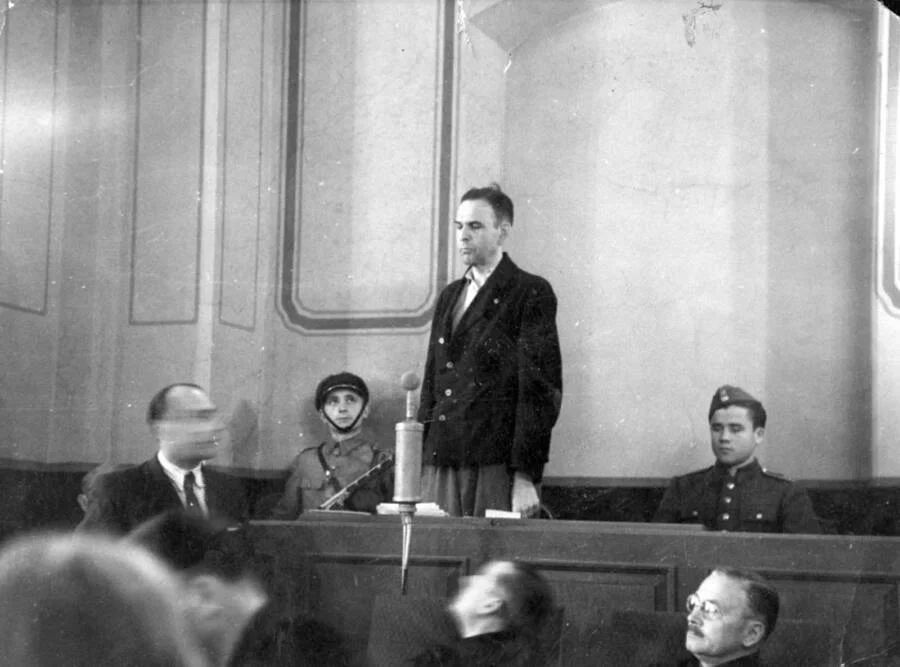
In September 1944, Goeth was arrested by the SS—not for murder, but for corruption and embezzlement. After the war, he was extradited to Poland. The Supreme National Tribunal in Kraków tried him from August 27 to September 5, 1946. Charged with war crimes including the murder of 10,000 individuals, he was convicted on all counts.
On September 13, 1946, Amon Goeth was hanged in the former Płaszów camp grounds. His execution marked one of the few instances where a mid-level concentration camp commandant faced direct judicial consequences.
Legacy and Ongoing Education
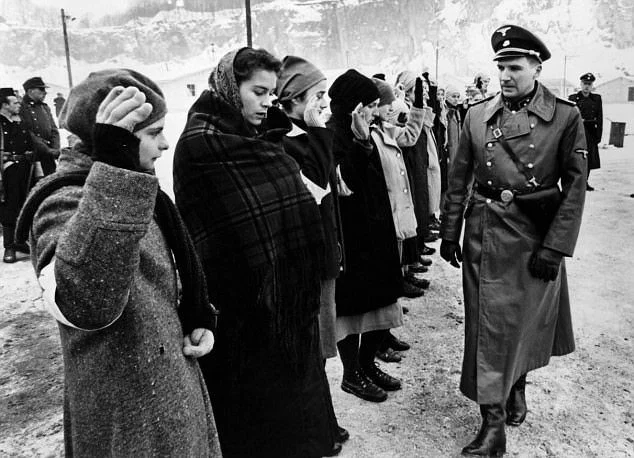
Goeth’s actions were dramatized in Steven Spielberg’s Schindler’s List (1993), with Ralph Fiennes portraying his calculated cruelty. While the film took artistic license, core elements—balcony shootings, dog attacks, Schindler’s negotiations—are corroborated by historical records.
Today, the Płaszów memorial site and the “Red House” (sold in 2017 amid controversy) serve as educational touchstones. Efforts to convert the villa into a museum continue, emphasizing Holocaust remembrance over commercial use.
Goeth’s descendants have publicly confronted his legacy. His granddaughter, Jennifer Teege, documented her discovery of his identity in My Grandfather Would Have Shot Me (2015), using her story to advocate for education and reconciliation.
Conclusion: Why This History Matters
The case of Amon Goeth illustrates how ordinary individuals, given absolute power within a genocidal system, could commit extraordinary evil. His actions were not anomalies but products of ideology, opportunity, and impunity.
For students, researchers, and the public, studying Goeth is not about dwelling on horror—it is about:
Understanding how dehumanization enables violence
Recognizing early warning signs of systemic persecution
Honoring survivors like Mietek Pemper, who testified against him
Supporting Holocaust education to prevent future atrocities
Verified Sources:
Kraków State Archives (1946 trial transcripts)
Yad Vashem survivor testimonies
United States Holocaust Memorial Museum
Pemper, M. (2005). The Road to Rescue
Teege, J. (2015). My Grandfather Would Have Shot Me
This history is preserved not to haunt, but to heal—through knowledge, empathy, and vigilance.